Top Commercial Landscape Maintenance Tips for Kennesaw Property Owners

January 30, 2026

A well-maintained commercial landscape does more than improve curb appeal—it communicates professionalism, stability, and care to every visitor stepping onto your property. In competitive business environments, outdoor spaces act as a visual gateway, shaping first impressions long before clients, tenants, or customers walk through the door. Landscape maintenance is also one of the most effective ways to enhance operational efficiency, helping properties stay safe, compliant, and inviting throughout the year. From retail centers to office parks, consistent upkeep prevents deterioration, controls costs, and supports long-term property value.

As commercial landscape maintenance continues to evolve, property managers in areas with diverse seasonal patterns must adopt a strategic approach. In regions like Kennesaw, climate considerations, soil variability, and vegetation demands play a significant role in planning routine care. Business owners and facility managers must understand best practices that reduce risk, improve sustainability, and keep landscapes thriving despite environmental challenges. This guide outlines comprehensive maintenance tips, actionable insights, and proven techniques tailored to commercial settings. Whether you oversee a busy corporate campus, a healthcare facility, or a multi-unit residential complex, these strategies will help you maintain a polished, healthy, and functional landscape year-round.

Strategic Planning for Commercial Landscape Success

Establishing a Year-Round Maintenance Plan

A successful commercial landscape begins with a structured maintenance plan that outlines seasonal needs, task schedules, and inspection timelines. Property owners who plan proactively reduce last-minute repairs, unexpected costs, and avoidable downtime. A detailed yearly plan includes mowing calendars, fertilization cycles, irrigation inspections, pruning periods, and seasonal plant changes. Regularly reviewing the plan allows adjustments based on weather patterns, new plant growth, or property modifications.

Conducting Routine Site Assessments

Routine landscape assessments help identify problems such as soil erosion, turf damage, pest activity, or plant decline before they escalate. Property managers should walk the grounds with checklists covering drainage, pathways, lighting, plant health, and structural landscape elements. This approach supports early intervention and minimizes operational disruptions. By spotting concerns early, properties maintain safety, aesthetic appeal, and regulatory compliance.

Aligning Maintenance Goals With Business Needs

Every commercial property has unique requirements depending on usage patterns, foot traffic, and brand identity. For example, retail centers may prioritize clean, welcoming entryways, while industrial buildings may focus more on erosion control and durable plantings. Aligning maintenance goals with business objectives ensures that the landscape serves its functional purpose while enhancing the property’s overall appearance.

Turf Health, Irrigation Efficiency, and Soil Management

  • Maintaining Healthy Turf Across Seasons

    Commercial turf areas require consistent mowing, aeration, fertilization, and dethatching to stay lush and resilient. Seasonal mowing heights help protect grass from heat stress in summer and frost damage in winter. Aeration improves root strength and nutrient absorption, while seasonal fertilization ensures the turf receives essential nutrients for sustained growth. High-traffic areas may require overseeding to maintain uniform coverage.

  • Building Efficient Irrigation Systems

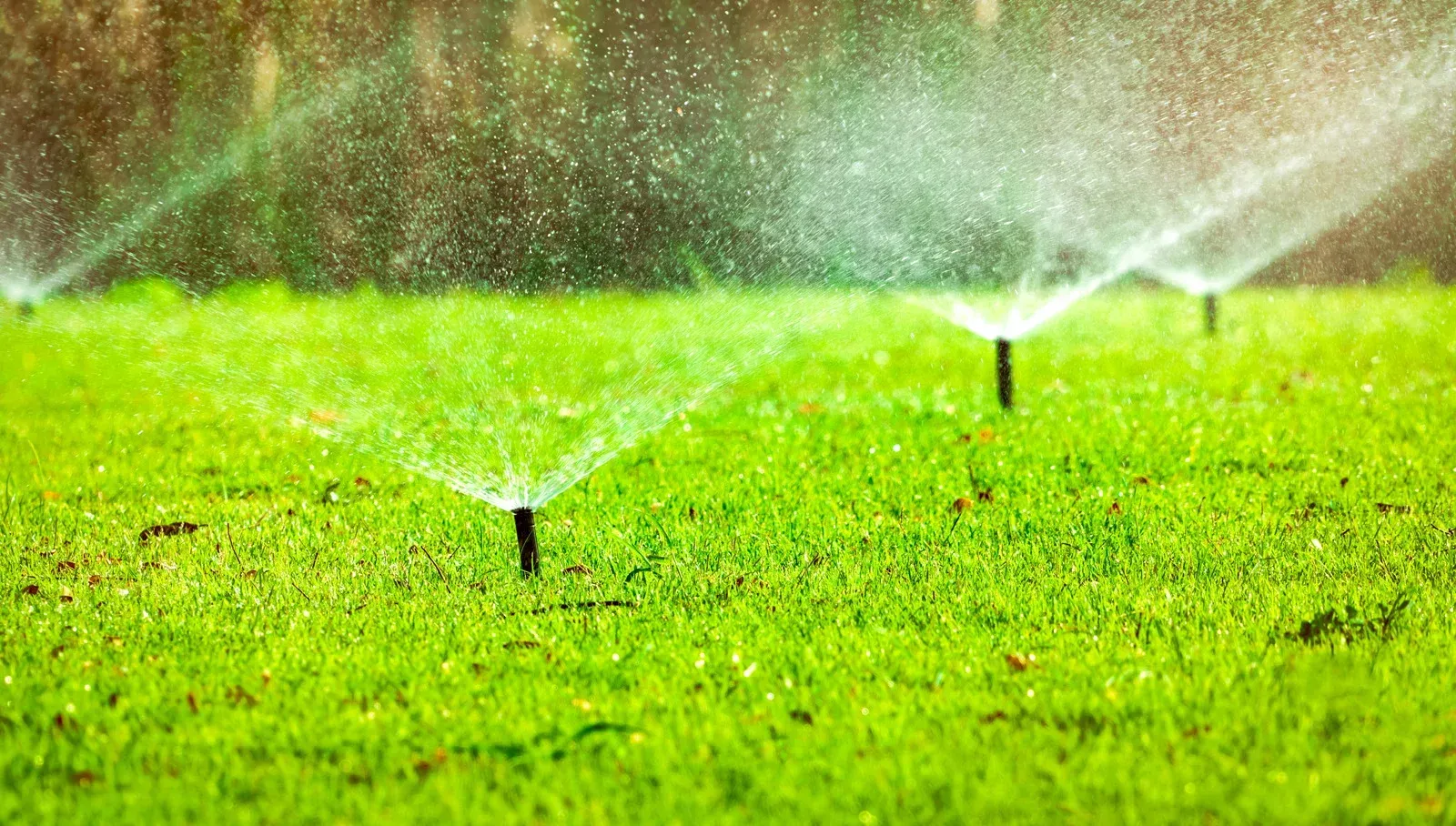
    Efficient irrigation is critical for commercial landscapes, especially in regions that experience hot summers and periodic drought-like conditions. Smart irrigation controllers, drip systems, and moisture sensors help reduce water waste while ensuring plants receive adequate hydration. Regular inspections of sprinkler heads, valves, and timers prevent leaks, overspray, and uneven water distribution. A well-designed irrigation system lowers utility costs and promotes long-term plant health.

  • Improving Soil Health for Long-Term Sustainability

    Healthy landscapes begin with healthy soil. Commercial properties benefit from periodic soil testing to assess pH balance, nutrient availability, and organic matter levels. Incorporating compost, mulch, or soil amendments strengthens soil structure and supports robust plant growth. Mulching also regulates temperature, controls weeds, and retains moisture—key for managing large landscape areas efficiently.

Plant Health, Tree Care, and Seasonal Landscaping

Selecting Low-Maintenance Plants Suited to Local Conditions

Choosing plants that thrive in Kennesaw’s climate reduces replacement costs and maintenance demands. Drought-tolerant varieties, native shrubs, and hardy ornamental grasses are ideal for properties requiring year-round resilience. Selecting the right plants supports environmental sustainability and enhances the aesthetic appeal of entryways, walkways, and signage areas.

Implementing Proper Pruning Techniques

Routine pruning improves plant structure, encourages growth, and prevents hazards. Commercial properties benefit from scheduled pruning for shrubs, hedges, and ornamental plants. Correct pruning reduces overcrowding, enhances airflow, and eliminates damaged or diseased branches. For safety, pruning around walkways, signage, and parking lots ensures clear visibility and prevents obstruction.

Ensuring Professional Tree Care

Trees are long-term landscape assets, and their care requires specialized attention. Regular inspections identify structural weaknesses, soil compaction issues, and potential pest infestations. Professional arborists can provide corrective pruning, cabling, or deep-root fertilization to support tree health. Investing in tree maintenance prevents property damage, reduces liability, and extends the lifespan of these valuable landscape features.

Implementing Proper Pruning Techniques

Routine pruning improves plant structure, encourages growth, and prevents hazards. Commercial properties benefit from scheduled pruning for shrubs, hedges, and ornamental plants. Correct pruning reduces overcrowding, enhances airflow, and eliminates damaged or diseased branches. For safety, pruning around walkways, signage, and parking lots ensures clear visibility and prevents obstruction.

Incorporating Seasonal Enhancements

Seasonal flowers and plantings provide visual variety and help properties stay vibrant throughout the year. Rotating annuals, updating planters, and refreshing mulch beds enhance the overall appearance of commercial spaces. These landscape updates also support branding efforts by contributing to a polished, welcoming aesthetic.

Hardscape Maintenance and Property Safety

  • Preserving Walkways, Patios, and Structural Elements

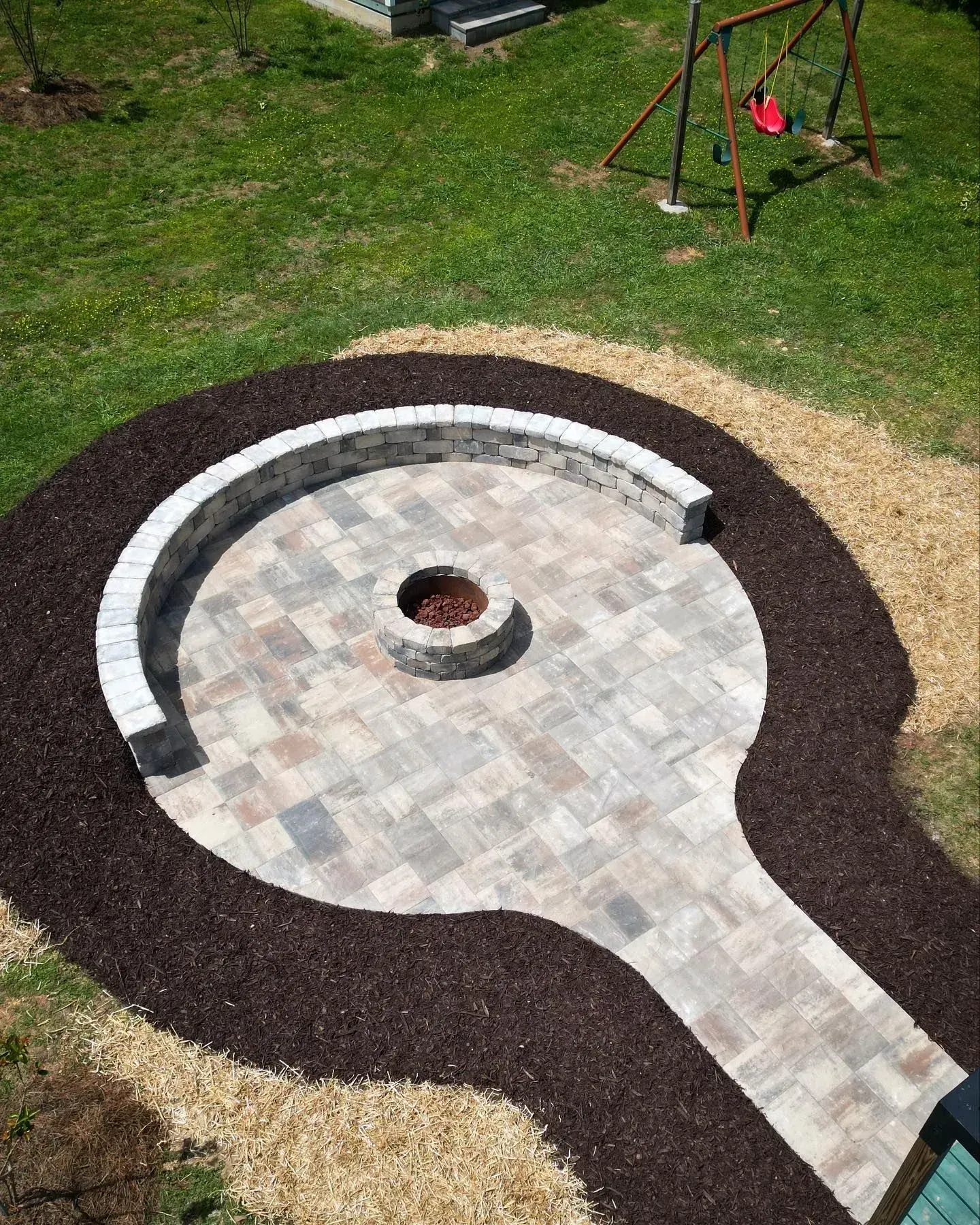
    Hardscape features such as sidewalks, retaining walls, and paver paths often endure heavy foot traffic. Routine cleaning, resurfacing, and sealing help extend the lifespan of these surfaces. Checking for cracks, loose pavers, and erosion prevents safety hazards and eliminates liability risks. Proper maintenance ensures accessibility and maintains a clean, professional appearance.

  • Addressing Drainage Issues Proactively

    Drainage problems can quickly damage landscapes and structures. Pooling water, soil erosion, and mold growth indicate underlying drainage concerns. Installing French drains, grading soil correctly, and maintaining gutter systems help control water flow. Effective drainage prevents turf damage, plant loss, and costly repairs.

  • Enhancing Outdoor Lighting for Safety and Appeal

    Outdoor lighting supports security, visibility, and nighttime aesthetics. Regular inspections identify burnt-out bulbs, damaged fixtures, and faulty wiring. LED upgrades and smart lighting systems offer energy-efficient alternatives with long-term savings. Exterior lighting also highlights architectural features, increasing overall property appeal.

Pest Control, Weed Management, and Long-Term Landscape Resilience

Implementing Sustainable Pest Control Practices

Commercial landscapes are susceptible to pests such as grubs, aphids, and fungal diseases. Integrated Pest Management (IPM) offers a strategic approach using monitoring, biological controls, and targeted treatments. This reduces chemical use while safeguarding plant health. Regular inspections help identify early signs of infestation, preventing widespread damage.

Strengthening Weed Prevention Techniques

Weed growth diminishes property appearance and competes with plants for nutrients. Mulching, pre-emergent herbicides, and consistent trimming help keep weeds under control. For large commercial spaces, mechanical edging around sidewalks and parking lots maintains a polished look and prevents spreading weeds.

Building Landscapes With Long-Term Durability

A resilient commercial landscape considers future growth, soil conditions, environmental stressors, and maintenance capabilities. Choosing durable plant species, implementing efficient irrigation, and maintaining healthy soil all contribute to long-term landscape stability. Resilient landscapes reduce repair frequency, lower operating costs, and support sustainable property management.

Professional Maintenance and Operational Improvements

  • Recognizing the True Value of Professional Landscaping Expertise

    While internal teams can handle basic tasks, commercial landscapes benefit significantly from professional maintenance services. Experts bring specialized knowledge of plant health, seasonal needs, soil chemistry, hardscape care, and safety best practices. Their strategic approach ensures high-quality results and reduces long-term expenses.

  • Improving Operational Efficiency Through Strategic Landscape Outsourcing

    Outsourcing landscape maintenance allows property owners to streamline operations, reduce labor costs, and maintain consistent service quality. Professional teams can provide scheduled maintenance, emergency response, and detailed inspections that internal staff may not have the time or training to complete. This results in reliable, predictable landscape performance year-round.

  • Maintaining Compliance and Environmental Responsibility Across All Landscapes

    Commercial properties must adhere to local regulations regarding water usage, plant selection, and environmental protection. Professional landscapers stay updated on compliance requirements and sustainability standards. Their expertise ensures properties remain environmentally responsible while maintaining a polished, attractive appearance.

Shaping Long-Term Value With Proactive Landscape Planning

Commercial landscape maintenance is essential for creating a professional, welcoming, and safe environment across business properties. Strategic planning, consistent care, and proactive problem-solving help landscapes flourish throughout the year. By incorporating effective turf management, irrigation efficiency, plant health strategies, and hardscape upkeep, property owners can enhance their outdoor spaces while reducing long-term costs. A well-maintained landscape not only boosts visual appeal but also reflects a company’s commitment to quality and reliability.

With 20 years of industry expertise, Zamora Design and Build continues to serve businesses in Kennesaw, Georgia with excellence and precision. The company offers comprehensive landscape maintenance solutions built on professionalism, technical knowledge, and customer-focused service. For 20 years, they have helped property owners achieve healthier, more attractive, and more resilient landscape environments. Whether maintaining multi-building campuses or enhancing smaller commercial spaces, their team provides dependable support tailored to the unique needs of each site. Property owners trust their expertise to protect their outdoor spaces, strengthen curb appeal, and ensure long-term landscape success.

Overhead view of outdoor patio with basketball court, fire pit, and seating.
December 8, 2025
Kennesaw’s mild climate offers an exceptional opportunity for homeowners to enjoy outdoor living nearly every month of the year. With comfortable temperatures through fall, early springs, and manageable winters, outdoor areas can function as true extensions of the home.
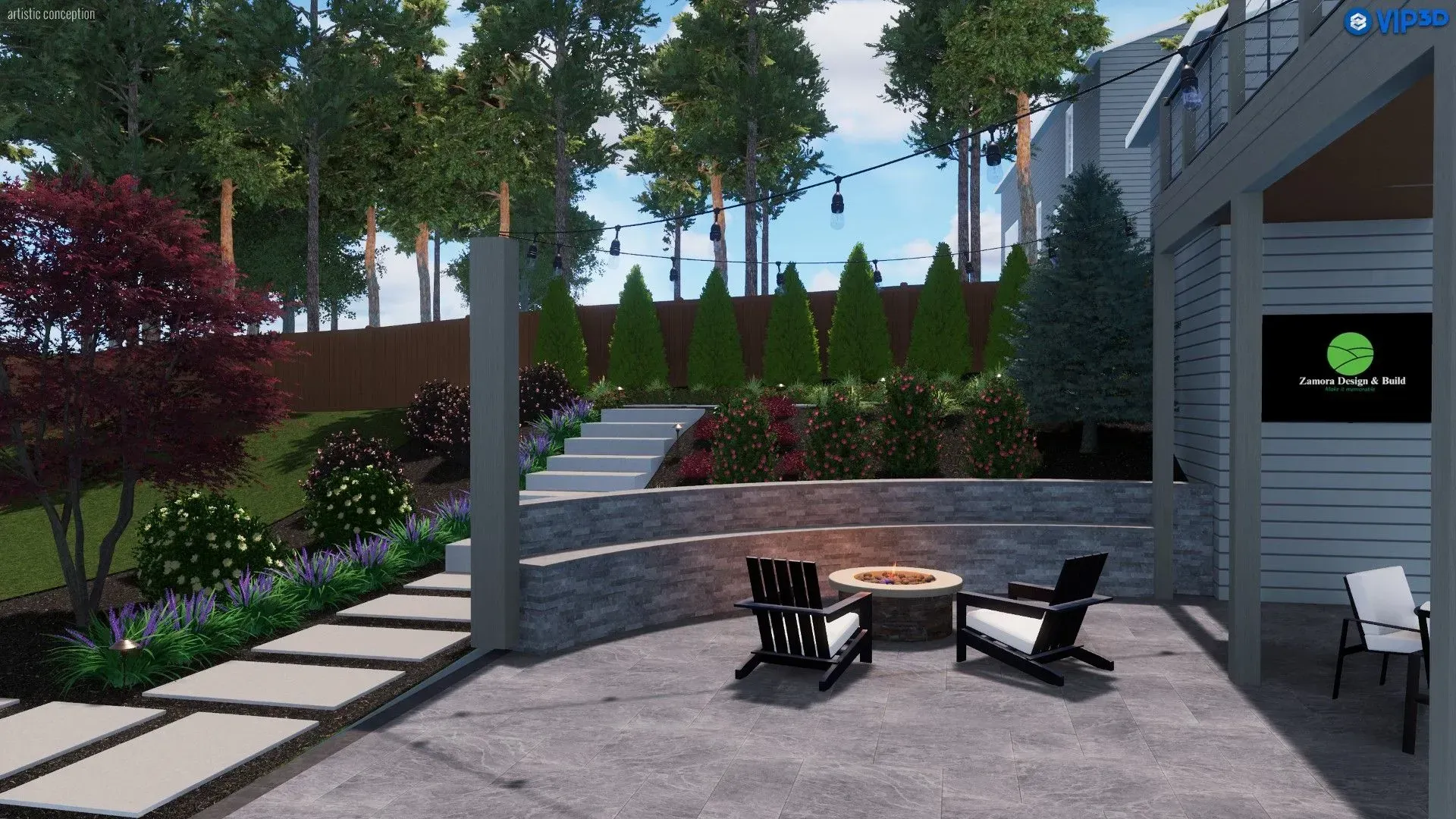
Backyard with a concrete walkway, fire pit, string lights, green lawn, and wooden fence.
November 10, 2025
Your outdoor space is more than just a backyard—it’s an extension of your home. With the right design, it can become a place where memories are made, gatherings are hosted, and relaxation comes naturally.
Sprinklers watering a lush green lawn next to a brick patio.
October 2, 2025
A lush, green lawn is one of the first things people notice when they approach your home. In Georgia, where summers can be hot and dry, maintaining healthy grass and plants is not always an easy task. Natural rainfall is often inconsistent, and relying solely on manual watering can lead to patchy, unhealthy lawns.