Custom vs. Template Landscape Design: What’s Best for Your Kennesaw Property?

March 7, 2026

Choosing the right landscape design approach is one of the most important decisions a property owner in Kennesaw can make. With growing demand for outdoor living spaces, curb appeal enhancements, and sustainable yard solutions, homeowners are often faced with a key question: should they opt for a custom landscape design or select a template-based plan? Both approaches offer distinct advantages, and understanding their differences is critical to making an informed investment. In a region like Kennesaw, where climate, soil composition, HOA guidelines, and architectural styles vary widely, landscape design is far more than aesthetic preference—it is strategic planning.


The landscape industry continues to evolve with advancements in 3D rendering, native planting strategies, and integrated outdoor living features. As a result, property owners have more options than ever before. However, more options can also create confusion. A custom design promises originality and site-specific precision, while a template design often provides speed and cost efficiency. Determining which solution aligns with your property’s goals, budget, and long-term value requires a clear comparison grounded in professional insight. This guide explores both options in depth to help you decide what is truly best for your Kennesaw property.

1. Understanding Custom Landscape Design

Custom landscape design is a tailored approach that considers every detail of a specific property before a single plant is installed or a patio is poured. It begins with site analysis, homeowner consultation, and strategic planning to ensure that the final result aligns with both functional needs and aesthetic preferences.

Site-Specific Planning and Environmental Considerations

In Kennesaw, landscape design must account for Georgia’s humid subtropical climate, red clay soil, and seasonal rainfall patterns. A custom design evaluates drainage challenges, sun exposure, slope grading, and irrigation requirements before recommending plant species or hardscape materials.


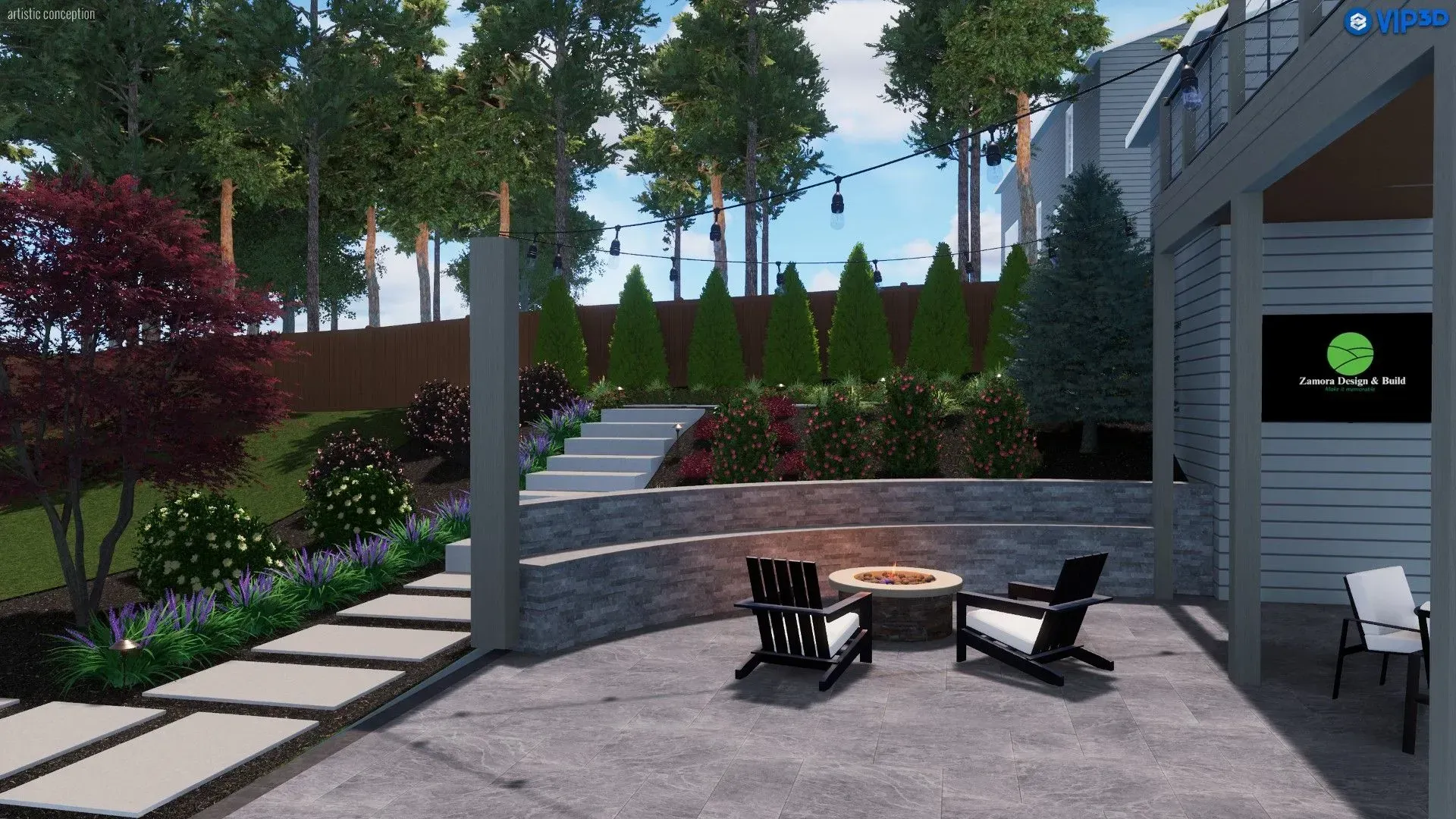
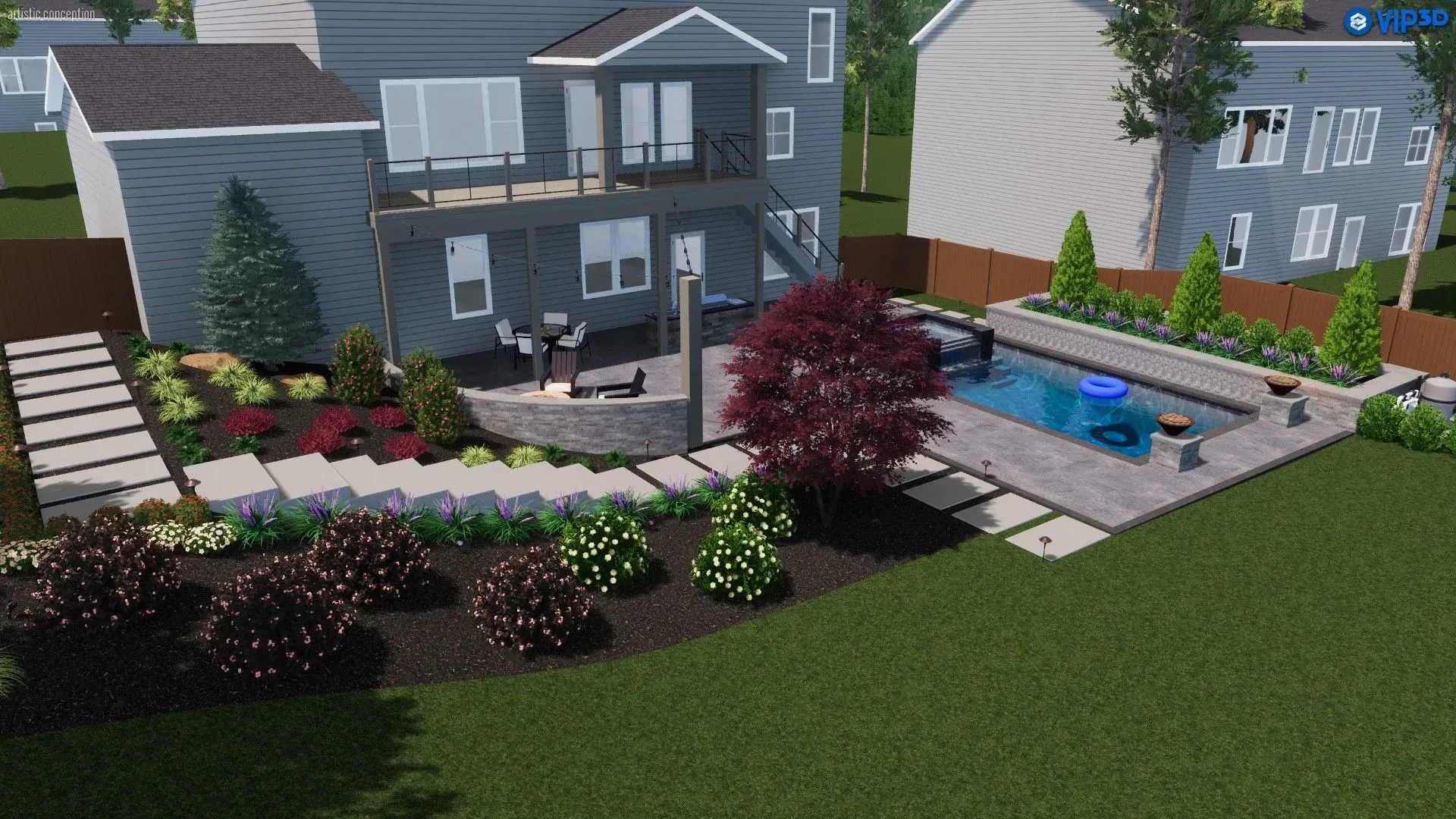
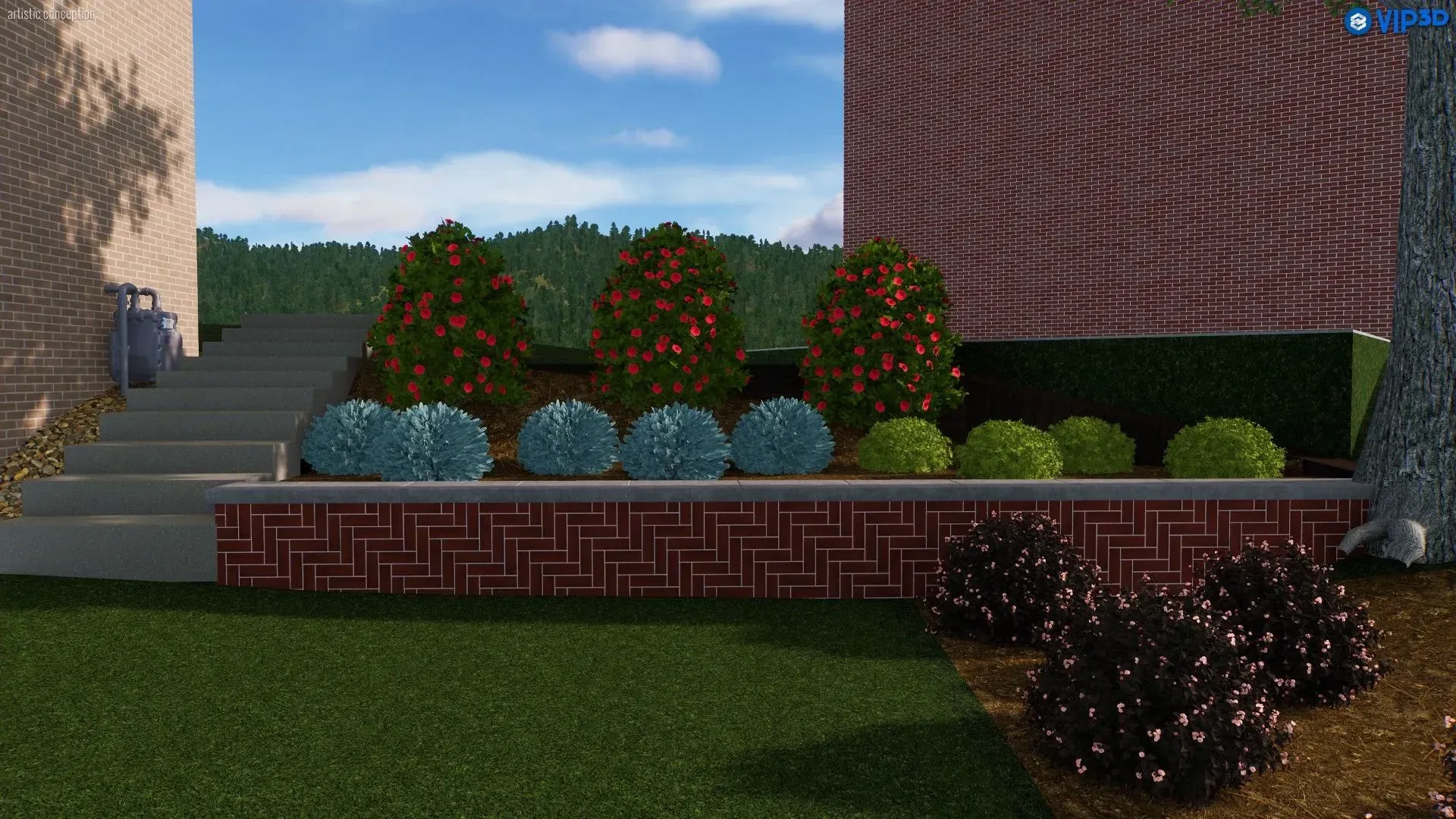
For example, a property with a steep backyard may require retaining walls, terracing, or erosion control measures. A template plan cannot effectively anticipate these site-specific challenges. Custom designs integrate solutions directly into the layout, reducing long-term maintenance issues and structural risks.


Additionally, native and adaptive plant selections play a significant role. Custom designers often prioritize species that thrive in North Georgia conditions, improving sustainability and reducing water consumption. This approach supports environmental responsibility while lowering maintenance costs.

Personalization and Lifestyle Integration

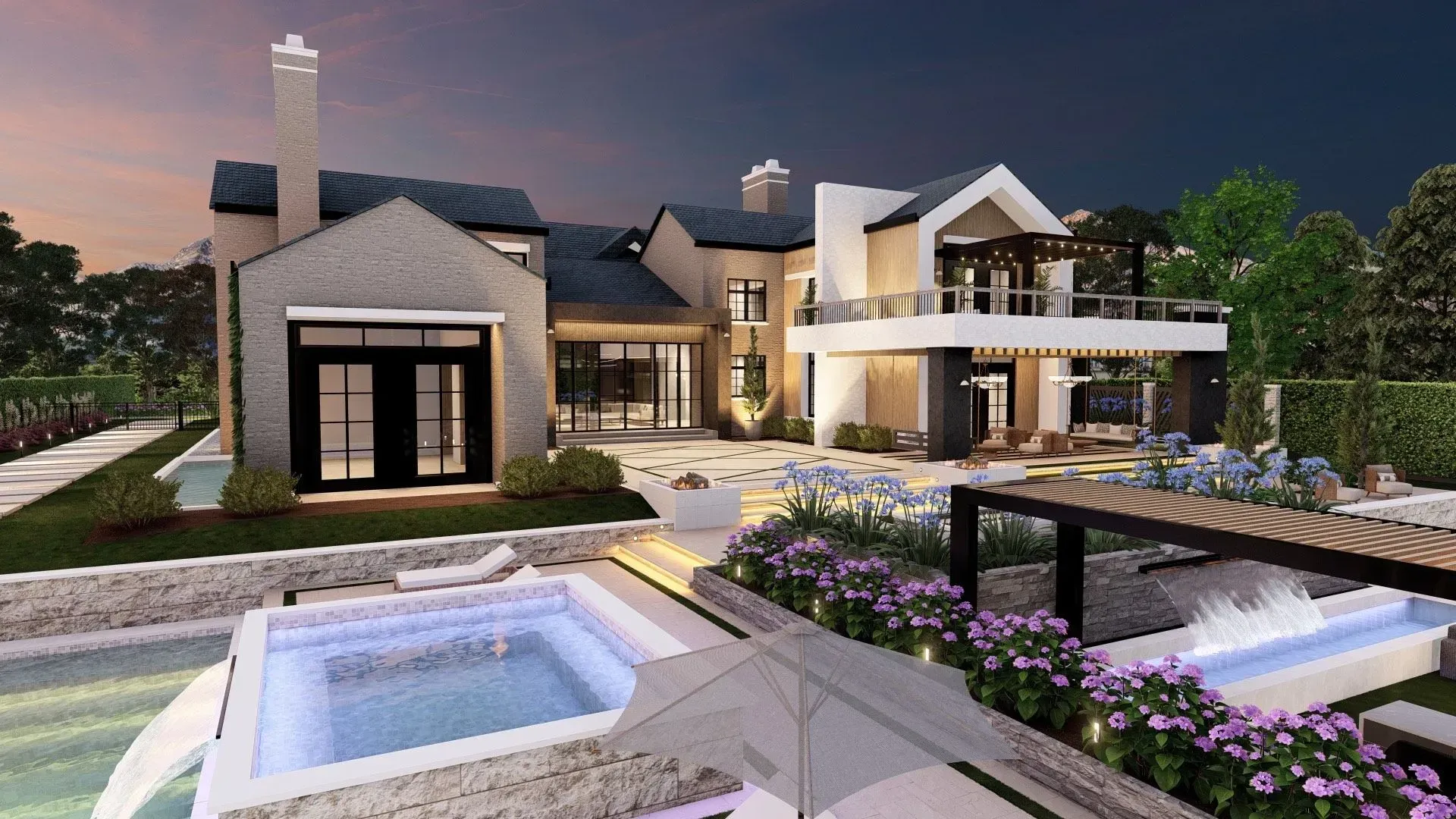
Custom landscape design allows homeowners to integrate outdoor kitchens, fire pits, water features, or entertainment spaces that reflect how they actually use their property. A family that hosts gatherings regularly may prioritize seating zones and lighting. A homeowner seeking privacy may focus on layered plantings and screening solutions.


This level of personalization enhances property enjoyment and long-term value. Rather than fitting into a predetermined blueprint, the design evolves around the homeowner’s goals. Over time, this results in a landscape that feels intentional, cohesive, and uniquely suited to the property.

2. Understanding Template Landscape Design

Template landscape design follows pre-designed layouts that can be adapted slightly to fit different properties. These plans often include standardized planting arrangements, hardscape layouts, and material selections.

  • Cost Efficiency and Speed of Implementation

    One of the primary advantages of template landscape design is affordability. Because the design work has already been completed, planning costs are significantly reduced. For homeowners with straightforward lots and limited customization needs, this approach can deliver quick results without extensive design consultation.


    For example, a new construction home in a subdivision with similar lot dimensions may benefit from a template-based front yard plan. The designer can replicate proven planting schemes that complement the architectural style, reducing decision-making time and project duration.


    This efficiency makes template designs appealing for budget-conscious homeowners or those looking for immediate curb appeal improvements before selling a property.

  • Limitations in Flexibility and Long-Term Impact

    While template designs can work well for simple layouts, they often lack adaptability. Properties with unusual grading, drainage challenges, or HOA-specific requirements may require modifications that exceed the template’s scope.


    Additionally, template landscapes may appear similar to neighboring properties, reducing uniqueness. In neighborhoods where differentiation adds value, this can limit long-term return on investment. If a homeowner later wants to expand outdoor living features, retrofitting a template design can be more costly than starting with a comprehensive custom plan.


    Understanding these limitations helps property owners assess whether short-term savings outweigh potential future constraints.

3. Comparing Investment Value and Property Appreciation

When evaluating custom vs. template landscape design, financial impact should be a central consideration. Landscaping is not merely decorative—it influences property value, resale potential, and maintenance costs.

Upfront Costs vs. Long-Term Returns

Custom landscape design typically involves higher upfront investment due to design consultations, site analysis, and specialized materials. However, this investment often translates into greater durability, functionality, and property differentiation.


For example, professionally engineered drainage systems can prevent foundation damage or erosion, avoiding costly repairs. Similarly, strategically placed shade trees can reduce cooling expenses during Georgia summers.


Template designs may cost less initially, but if modifications become necessary, expenses can accumulate. Property owners should evaluate not just installation costs but total lifecycle value.

Curb Appeal and Market Differentiation

In competitive real estate markets like Kennesaw, first impressions matter. A custom landscape can dramatically enhance curb appeal by aligning with architectural features and neighborhood character.


Buyers often respond positively to cohesive outdoor living areas and mature plantings. A template design may enhance appearance but may not create the same standout effect. When resale value is a priority, custom design frequently offers stronger differentiation.


Ultimately, the best investment depends on long-term property plans. Homeowners intending to remain in their property for many years often benefit most from customization.

4. Maintenance, Sustainability, and Practical Considerations

A well-designed landscape should not only look attractive but also function efficiently over time. Maintenance demands and environmental impact vary significantly between custom and template approaches.

  • Maintenance Planning and Resource Efficiency

    Custom landscape design includes maintenance strategy from the outset. Designers can recommend irrigation zoning, low-maintenance plant varieties, and durable hardscape materials that reduce ongoing upkeep.


    For instance, grouping plants with similar water requirements prevents overwatering and supports healthier growth. Thoughtful placement of shade structures can also protect plantings from heat stress.


    Template designs may include standard plant combinations that do not account for microclimates within a specific property. As a result, maintenance may become more intensive than anticipated.

  • Sustainability and Environmental Impact

    Sustainable landscaping is increasingly important in Georgia communities. Custom design allows integration of rain gardens, permeable pavers, and native plant ecosystems that manage stormwater responsibly.


    Template plans often focus primarily on visual appeal rather than ecological integration. While some templates include sustainable elements, they may not optimize them for individual site conditions.


    Property owners who prioritize environmental stewardship, water conservation, and reduced chemical use generally benefit from custom solutions tailored to local conditions.

5. Best Practices for Choosing the Right Approach

Selecting between custom and template landscape design requires careful evaluation of goals, budget, and property characteristics.

Assessing Property Complexity

Begin with a professional site evaluation. Sloped lots, drainage issues, irregular shapes, or large outdoor living ambitions typically favor custom design. Flat, uniform properties with minimal structural challenges may adapt well to templates.


Homeowners should also review HOA guidelines, as certain communities impose specific requirements that influence design flexibility.

Aligning with Long-Term Vision

Ask practical questions:


  • How long do you plan to stay in the property?
  • Do you intend to add outdoor entertainment features later?
  • Is sustainability a priority?
  • What level of maintenance are you comfortable managing?

A custom landscape supports evolving needs and phased development. Template designs are better suited for straightforward goals with limited expansion plans.

Consulting Experienced Professionals

Working with an experienced landscape designer ensures that either approach is implemented correctly. Even template designs benefit from professional oversight to avoid installation mistakes or plant misplacement.


Expert guidance ensures compliance with local codes, proper grading, and irrigation planning. This professional input protects your investment regardless of the design path chosen.

Dedicated Landscape Designers Committed to Excellence

Choosing between custom and template landscape design ultimately depends on your property’s complexity, your long-term goals, and your budget priorities. Custom design offers tailored solutions, environmental responsiveness, and enhanced property value through personalization and strategic planning. Template design delivers efficiency, affordability, and quicker implementation for straightforward lots and modest objectives. Both approaches can improve curb appeal and functionality when executed professionally.


Zamora Design and Build, a leading Landscape Designer in Kennesaw, Georgia, brings 20 years of hands-on expertise to homeowners seeking exceptional outdoor transformations. With a deep understanding of North Georgia’s climate, soil conditions, and architectural diversity, the company specializes in delivering both refined custom landscape designs and thoughtfully adapted structured plans when appropriate. Every project is approached with precision, strategic planning, and a commitment to craftsmanship that prioritizes long-term durability and visual excellence.


Their team combines technical knowledge with creative vision, ensuring each landscape supports drainage efficiency, sustainable planting strategies, and seamless outdoor living integration. Whether a property requires a fully customized master plan or a streamlined solution enhanced by professional insight, Zamora Design and Build provides guidance grounded in experience and proven results. For homeowners seeking dependable expertise and high-quality execution, the company stands as a trusted authority in landscape design throughout the Kennesaw community.

Backyard with patio, shed with green door, and air conditioning unit.
February 12, 2026
Landscape design is the thoughtful planning and arrangement of outdoor spaces to create environments that are functional, visually appealing, and sustainable. For Georgia homeowners, landscape design is more than planting flowers or installing sod.
Luxurious house exterior with pool, spa, and landscaping at twilight.
January 30, 2026
A well-maintained commercial landscape boosts curb appeal while signaling professionalism, stability, and care to every visitor on your property.
Overhead view of outdoor patio with basketball court, fire pit, and seating.
December 8, 2025
Kennesaw’s mild climate offers an exceptional opportunity for homeowners to enjoy outdoor living nearly every month of the year. With comfortable temperatures through fall, early springs, and manageable winters, outdoor areas can function as true extensions of the home.