What Is Landscape Design? A Beginner’s Guide for Georgia Homeowners

February 12, 2026

Landscape design is the thoughtful planning and arrangement of outdoor spaces to create environments that are functional, visually appealing, and sustainable. For Georgia homeowners, landscape design is more than planting flowers or installing sod. It involves understanding soil conditions, climate patterns, drainage, architecture, and how outdoor spaces will be used year-round. In a state known for humid summers, red clay soil, and diverse plant life, professional landscape design plays a critical role in protecting property value while enhancing curb appeal.


As residential development continues to grow across Georgia, homeowners are seeking outdoor environments that extend living space beyond the walls of the home. Well-designed landscapes provide shade, improve drainage, reduce erosion, and create inviting areas for relaxation or entertainment. From native plant selection to irrigation planning and hardscape integration, landscape design blends science and creativity. This beginner’s guide explains what landscape design truly involves, why it matters for Georgia properties, and how homeowners can approach the process with clarity and confidence.

1. Understanding Landscape Design: More Than Just Landscaping

Landscape Design vs. Basic Landscaping

Many homeowners use the terms landscaping and landscape design interchangeably, but they are not the same. Landscaping typically refers to the installation and maintenance of lawns, plants, and garden features. Landscape design, on the other hand, is the strategic planning process that determines how all those elements fit together.


A landscape designer evaluates site conditions, property layout, architectural style, and long-term functionality before recommending solutions. This planning stage ensures that plants, patios, drainage systems, lighting, and outdoor structures work cohesively rather than appearing pieced together over time.

Core Elements of Landscape Design

Professional landscape design integrates several core elements:


  • Softscapes: Trees, shrubs, flowers, turf, and ground cover
  • Hardscapes: Patios, walkways, retaining walls, driveways, and outdoor kitchens
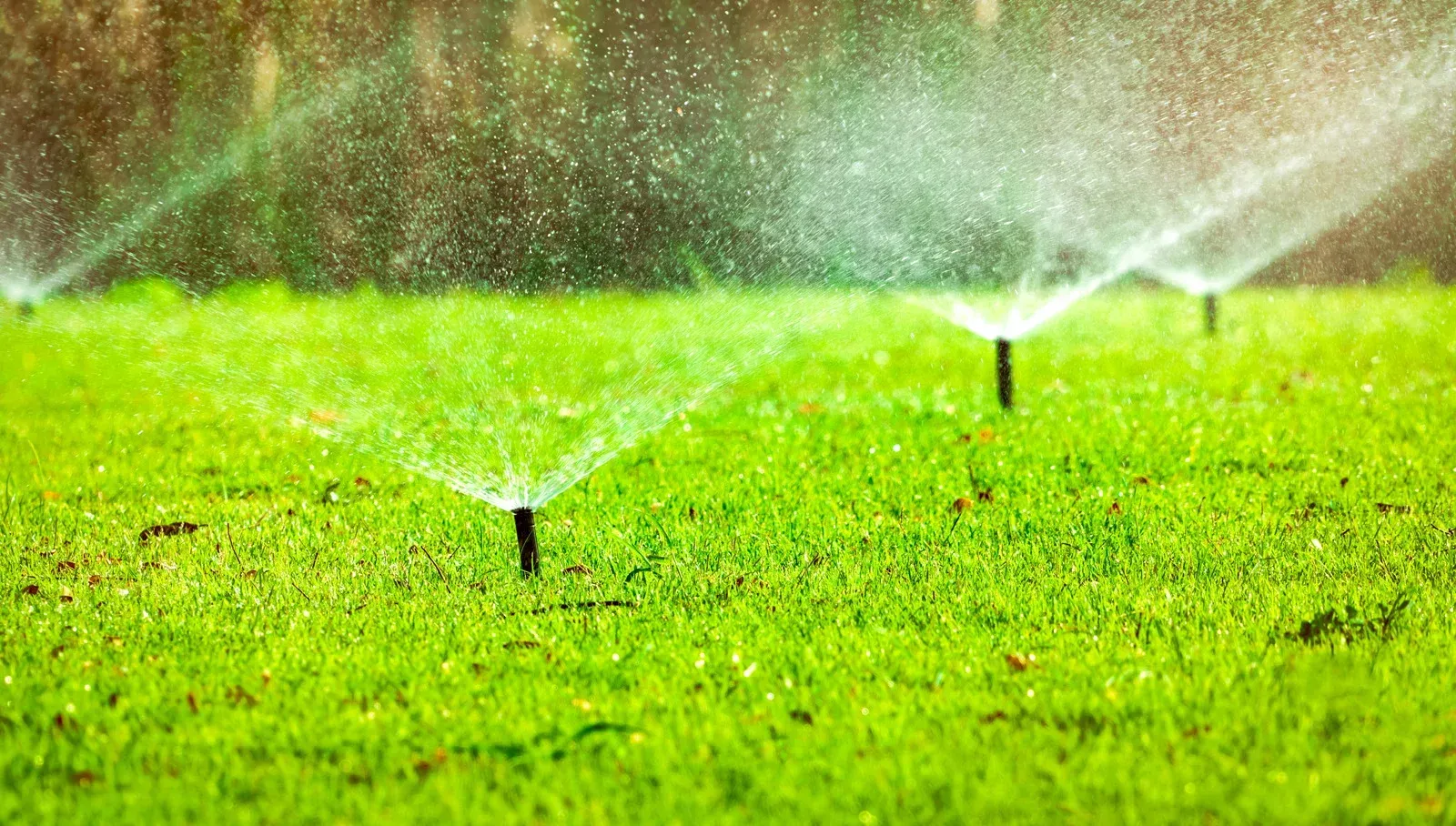
  • Water Features: Ponds, fountains, drainage solutions, and irrigation systems
  • Lighting: Safety, accent, and functional outdoor illumination
  • Grading and Drainage: Proper water management to prevent foundation damage


In Georgia, where heavy rains and clay soil are common, grading and drainage are especially critical. Without proper planning, water runoff can erode soil, damage plant beds, and compromise foundations.

The Planning Process

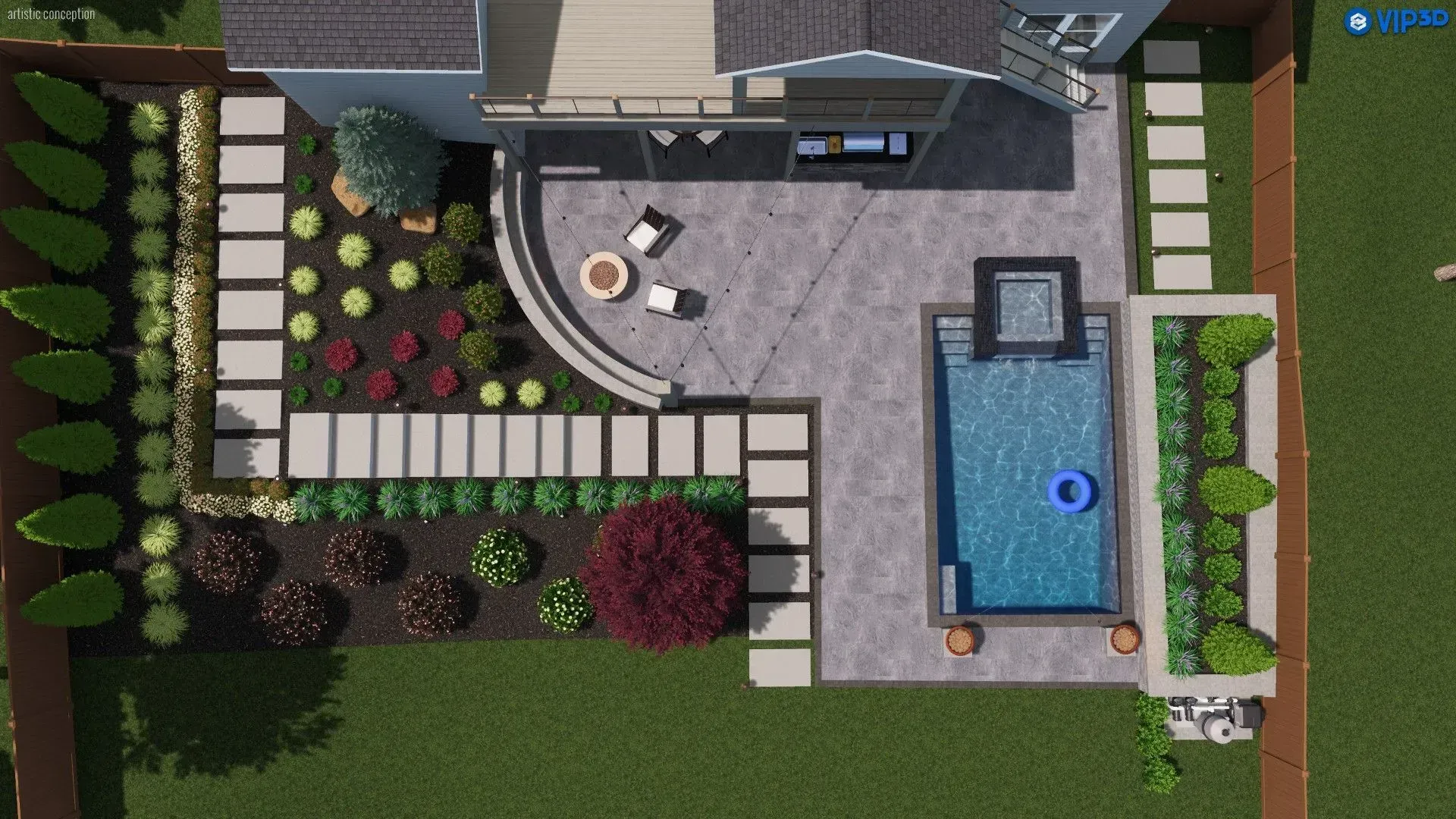
Landscape design begins with a site analysis. Designers assess sunlight exposure, soil composition, existing vegetation, slope, and drainage patterns. They then create a design plan—often including scaled drawings or digital renderings—that outlines plant placement, hardscape structures, and irrigation layout.


This planning phase prevents costly mistakes and ensures that the finished landscape supports both aesthetic goals and long-term sustainability.

2. Key Principles of Effective Landscape Design

  • Balance and Proportion

    Balance refers to the visual equilibrium of a landscape. Symmetrical balance uses mirrored elements on either side of a central axis, common in traditional Georgia homes. Asymmetrical balance creates visual interest through varied yet harmonious elements.


    Proportion ensures that trees, shrubs, and structures are scaled appropriately for the property. Large shade trees may overwhelm a small suburban lot, while undersized plantings can make a larger property feel sparse.

  • Unity and Flow

    Unity connects all elements of the outdoor space into a cohesive design. Repetition of plant types, consistent material choices, and complementary colors help create visual harmony.


    Flow refers to how easily someone moves through the space. Pathways, patios, and transitions between lawn and garden beds should feel natural rather than abrupt. For Georgia homeowners who entertain frequently, flow is essential for guiding guests from indoor living areas to outdoor gathering spaces.

  • Functionality and Purpose

    A successful landscape design prioritizes how the space will be used. Families with children may require open lawn areas, while others may prefer low-maintenance native gardens. Outdoor kitchens, fire pits, pergolas, and seating walls are functional additions that increase usability.


    Design decisions should reflect lifestyle needs rather than short-term trends. This ensures long-term satisfaction and return on investment.

  • Sustainability and Climate Awareness

    Georgia’s climate varies from coastal humidity to northern mountain elevations. Selecting native and adaptive plants reduces water usage and maintenance costs. Proper irrigation systems and mulching strategies conserve moisture during hot summers.


    Sustainable landscape design also considers stormwater management. Rain gardens, permeable pavers, and strategic grading reduce runoff and protect nearby ecosystems.

3. The Landscape Design Process for Georgia Homes

Step 1: Site Evaluation

Every successful landscape design begins with a thorough evaluation of the property. Designers analyze slope, drainage, soil quality, existing vegetation, and structural elements. In Georgia’s clay-heavy soil, drainage solutions are often a priority.


For example, a sloped backyard in Kennesaw may require retaining walls and French drains to prevent erosion and water pooling near the foundation.

Step 2: Concept Development

Once site conditions are understood, the designer develops a concept plan. This plan outlines the overall vision, including plant zones, hardscape placement, lighting design, and irrigation layout.


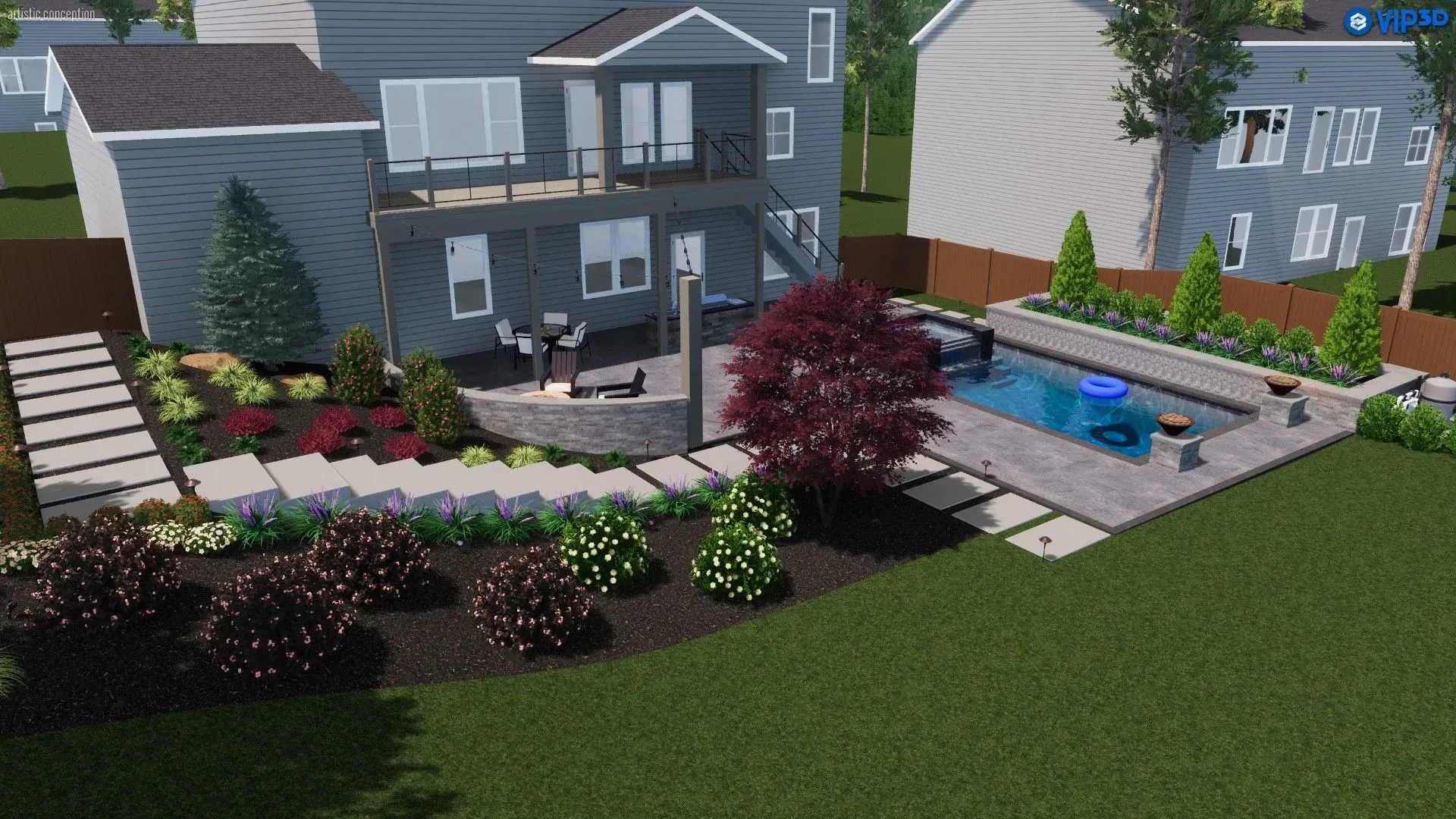
At this stage, homeowners can review 2D drawings or 3D renderings to visualize the final result. Adjustments are made before installation begins, reducing misunderstandings and unexpected expenses.

Step 3: Plant and Material Selection

Selecting the right plants is critical in Georgia’s climate. Popular choices include:


  • Crepe myrtle for color and structure
  • Southern magnolia for evergreen shade
  • Hydrangeas for seasonal interest
  • Native grasses for erosion control


Material selection for patios and walkways must also withstand humidity and temperature changes. Natural stone, pavers, and concrete surfaces are common choices.

Step 4: Installation and Oversight

Professional oversight during installation ensures that grading, planting depth, irrigation placement, and hardscape construction meet design specifications. Proper installation affects plant health, structural integrity, and long-term durability.

Step 5: Maintenance Planning

A landscape design is only as strong as its maintenance plan. Designers often provide care guidelines for watering, pruning, fertilizing, and seasonal adjustments. Georgia’s long growing season requires consistent upkeep to preserve appearance and plant health.

4. Benefits of Professional Landscape Design

  • Increased Property Value

    Well-executed landscape design can significantly boost property value. According to industry research, professional landscaping may increase home value by up to 15%. In competitive Georgia real estate markets, curb appeal can directly influence buyer interest.

  • Enhanced Outdoor Living

    Modern homeowners view outdoor spaces as extensions of indoor living. Patios, fire features, and shaded seating areas create functional gathering zones. Landscape design transforms unused yards into purposeful spaces for relaxation and entertainment.

  • Improved Drainage and Soil Protection

    Georgia’s heavy rainfall can cause erosion and water damage. A professionally designed landscape includes grading solutions, retaining walls, and drainage systems that protect foundations and plant beds.

  • Reduced Long-Term Costs

    Thoughtful plant selection and irrigation planning reduce water bills and maintenance expenses. Native species require less fertilization and are more resistant to local pests and diseases.

  • Environmental Responsibility

    Landscape design supports ecological balance by incorporating native plants, pollinator gardens, and water management systems. Sustainable practices reduce runoff and protect local waterways.

5. Common Challenges Georgia Homeowners Face

Clay Soil and Drainage Issues

Red clay soil is dense and drains poorly. Without proper soil amendments and grading, plants may struggle to thrive. Aeration, compost incorporation, and raised beds can improve soil performance.

Extreme Weather Patterns

Georgia experiences hot summers, occasional freezes, and heavy storms. Plant choices must tolerate temperature fluctuations. Irrigation systems must adapt to both drought and excessive rainfall.

Pest and Disease Pressure

High humidity increases susceptibility to fungal diseases and insect infestations. Selecting disease-resistant plants and ensuring adequate spacing improves air circulation and plant health.

Budget Management

Landscape design projects vary widely in cost. Prioritizing essential infrastructure—such as drainage and grading—before aesthetic upgrades ensures long-term stability. Phased implementation can make larger projects financially manageable.

6. Best Practices for Beginners

  • Start with a Master Plan

    Even if installation occurs in stages, a comprehensive master plan prevents disjointed additions over time. It ensures that patios, plant beds, and lighting systems align with a unified vision.

  • Invest in Infrastructure First

    Drainage, irrigation, and soil preparation form the foundation of a successful landscape. Skipping these steps often leads to costly corrections later.

  • Choose Low-Maintenance, Native Plants

    Native species adapt better to Georgia’s climate and require less watering and fertilization. They also support local wildlife and pollinators.

  • Think Long-Term

    Trees and shrubs mature over years. Proper spacing prevents overcrowding and future removal costs. Design decisions should anticipate growth patterns.

  • Work with Experienced Professionals

    Landscape design involves technical expertise in grading, horticulture, and construction. Professional guidance reduces risk and ensures compliance with local regulations.


    By approaching landscape design strategically, Georgia homeowners can create outdoor environments that remain beautiful, functional, and resilient for decades.

Experienced Landscape Designers Committed to Excellence

Landscape design is a comprehensive process that blends creativity, environmental awareness, and technical planning. For Georgia homeowners, it addresses more than appearance; it protects property from drainage issues, enhances outdoor living, and increases long-term value. By understanding core design principles, climate considerations, and proper installation practices, homeowners can make informed decisions that align with both lifestyle and sustainability goals.


A well-designed landscape reflects thoughtful planning, not impulse decisions. It considers soil, sunlight, rainfall, plant growth patterns, and structural integration. When approached strategically, landscape design transforms ordinary yards into purposeful, enduring spaces that complement the home and surrounding environment.


For homeowners seeking expert guidance, Zamora Design and Build, a trusted landscape designer in Kennesaw, Georgia, brings 20 years of experience in creating functional, sustainable, and visually compelling outdoor environments. With a reputation built on precision, craftsmanship, and local expertise, the company understands Georgia’s unique climate and soil challenges. From comprehensive master planning to detailed installation oversight, Zamora Design and Build delivers tailored landscape design solutions that enhance property value and outdoor living quality. Their commitment to excellence ensures each project is thoughtfully executed and built to last.

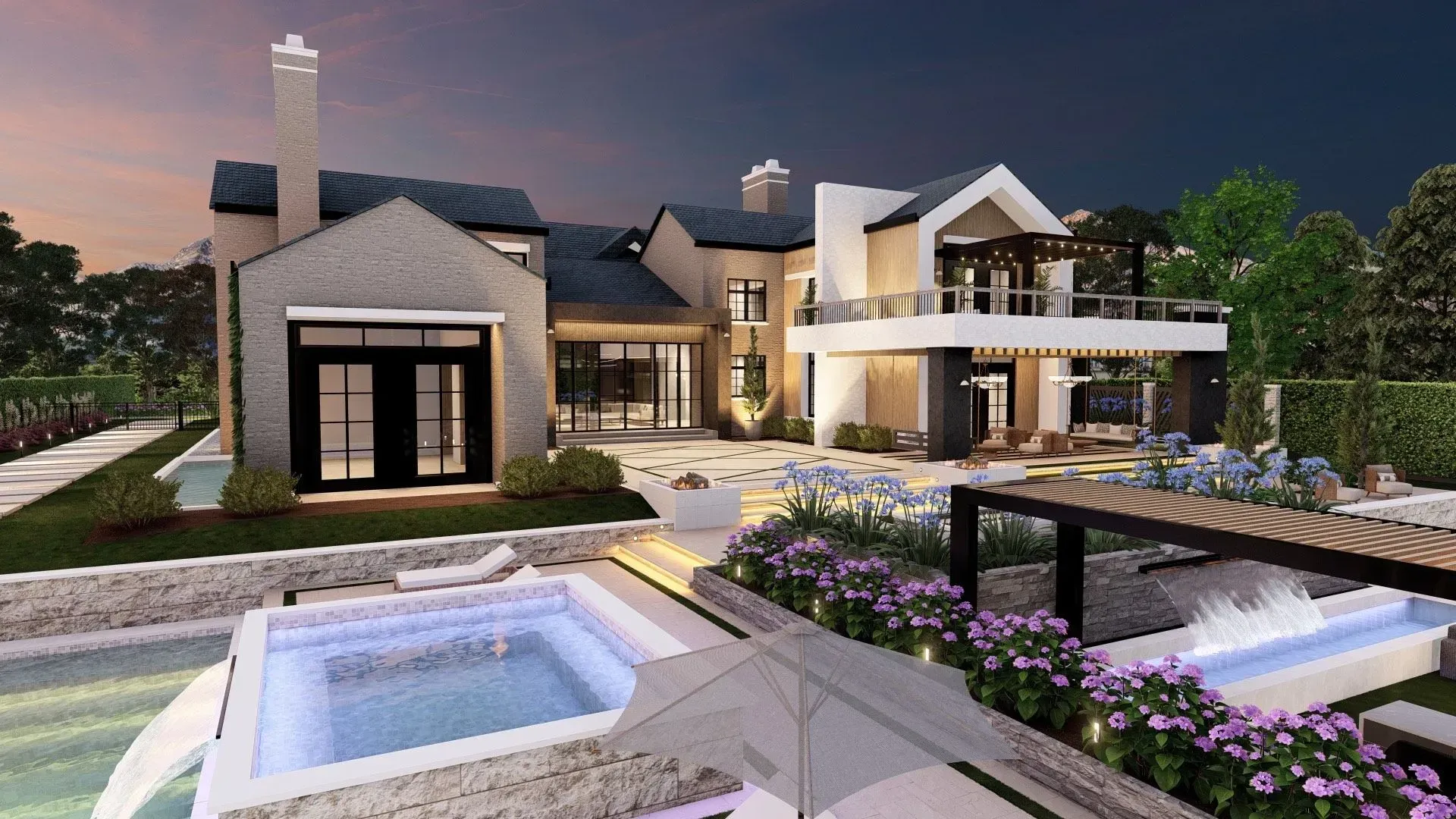
Luxurious house exterior with pool, spa, and landscaping at twilight.
January 30, 2026
A well-maintained commercial landscape boosts curb appeal while signaling professionalism, stability, and care to every visitor on your property.
Overhead view of outdoor patio with basketball court, fire pit, and seating.
December 8, 2025
Kennesaw’s mild climate offers an exceptional opportunity for homeowners to enjoy outdoor living nearly every month of the year. With comfortable temperatures through fall, early springs, and manageable winters, outdoor areas can function as true extensions of the home.
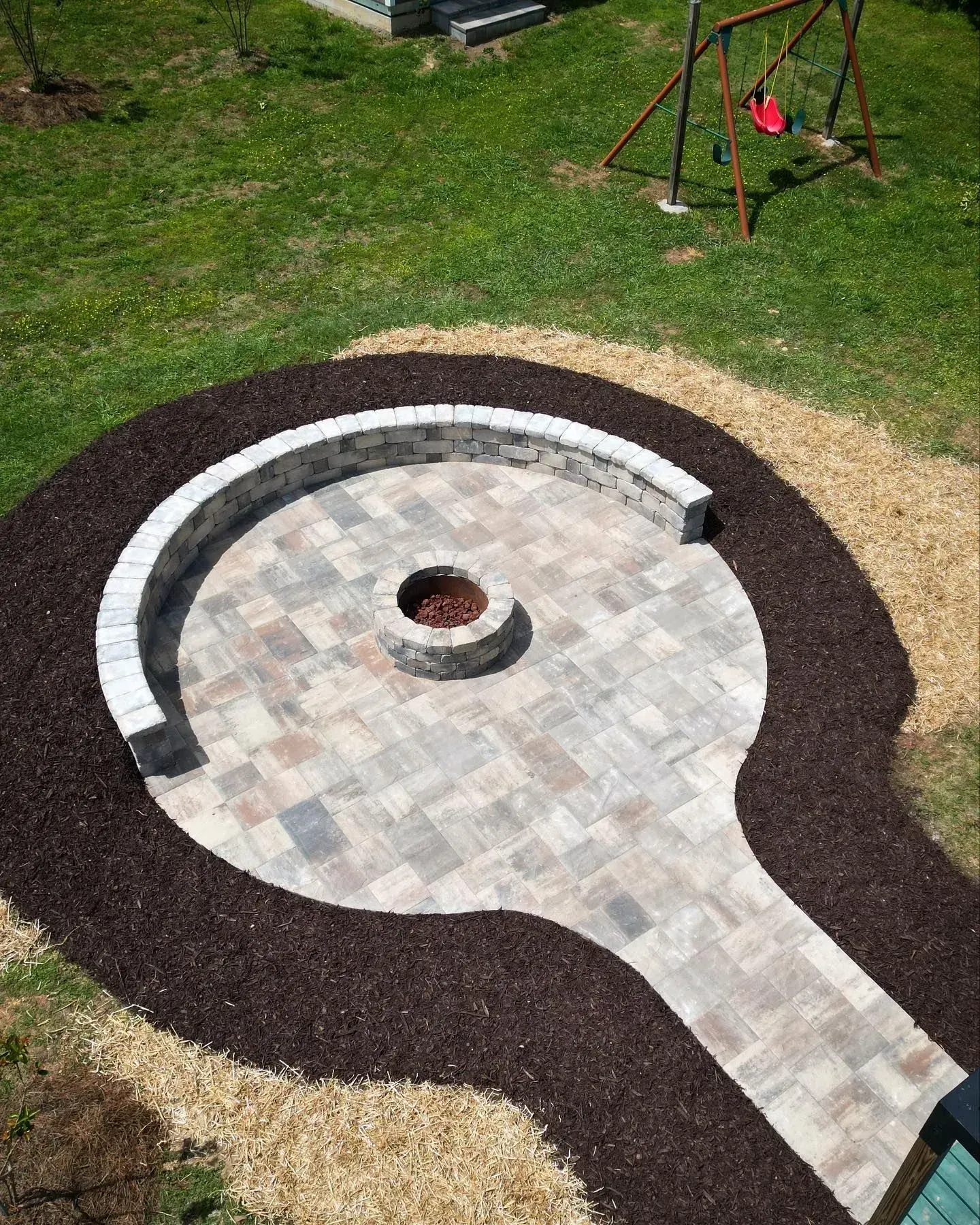
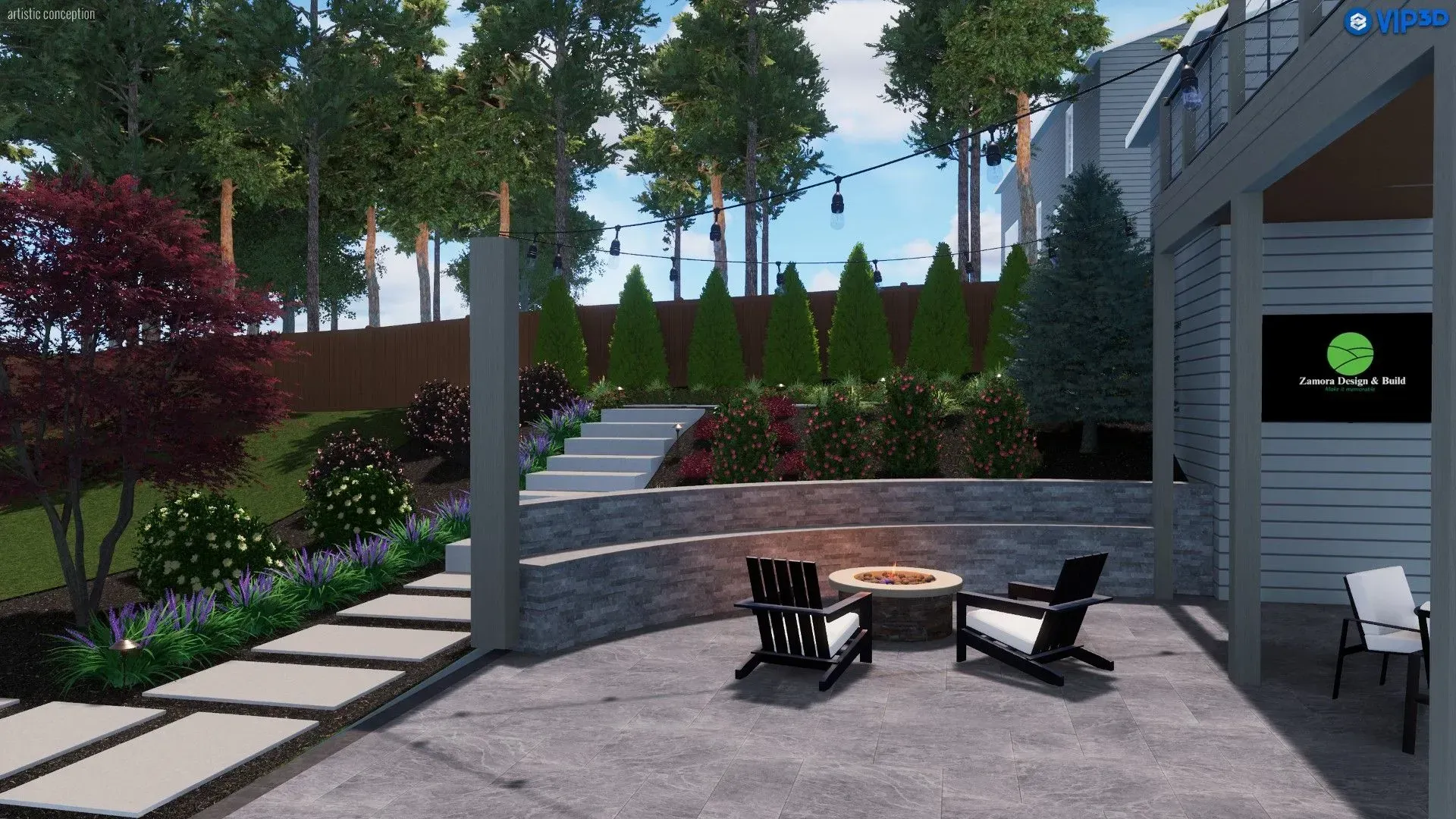
Backyard with a concrete walkway, fire pit, string lights, green lawn, and wooden fence.
November 10, 2025
Your outdoor space is more than just a backyard—it’s an extension of your home. With the right design, it can become a place where memories are made, gatherings are hosted, and relaxation comes naturally.