Our Landscape Design Process: From Concept to Installation in Kennesaw, GA
Creating a beautiful, functional outdoor space requires more than just planting flowers or laying sod. Landscape design is a careful blend of art, science, and practical planning. It involves understanding the property’s unique characteristics, integrating natural and built elements, and envisioning a space that enhances both aesthetic appeal and usability. For homeowners and businesses alike, a well-designed landscape increases property value, promotes environmental sustainability, and creates inviting areas for relaxation, entertainment, and connection with nature.
The journey from an initial idea to a fully realized landscape requires expertise, foresight, and meticulous attention to detail. Each project begins with understanding the property’s potential, followed by crafting a design that balances beauty, functionality, and long-term maintenance considerations. Executing this vision involves precise installation, careful selection of materials and plants, and a commitment to quality that ensures the landscape will thrive for years. By exploring a structured
landscape design process, property owners can appreciate the value of thoughtful planning, informed decision-making, and professional execution in transforming outdoor spaces into enduring works of art.
1. Initial Consultation and Site Assessment
Understanding the Property
The first step in any landscape design process begins with a comprehensive assessment of the property. This includes analyzing topography, soil composition, drainage patterns, sunlight exposure, and existing vegetation. Understanding these elements ensures that design decisions align with the site’s natural characteristics, preventing future problems such as water pooling, erosion, or plant failure. For instance, planting water-intensive species in poorly drained areas often results in plant stress or loss, while overlooking natural slopes can create runoff issues. A careful site assessment allows for designing solutions that work with the land rather than against it.
Identifying Client Goals
Equally important is understanding the goals for the outdoor space. This includes preferred aesthetic styles, functional requirements, and lifestyle considerations. Some may prioritize entertainment areas, while others value privacy, sustainability, or low-maintenance landscapes. Asking detailed questions about how the space will be used allows for tailored solutions. Real-world examples, such as incorporating a family-friendly play area, a serene meditation garden, or outdoor kitchen space, ensure the final design aligns with both practical needs and personal vision.
Evaluating Challenges and Opportunities
Every property has unique challenges and opportunities. Mature trees can provide natural shade but may limit planting options, while existing structures can either constrain or enhance design possibilities. Identifying these factors early prevents costly revisions and supports creative solutions, such as terracing uneven terrain, creating focal points around structural features, or maximizing views. Recognizing opportunities ensures the final design highlights strengths while addressing limitations effectively.
2. Conceptual Design and Planning
Drafting Initial Concepts
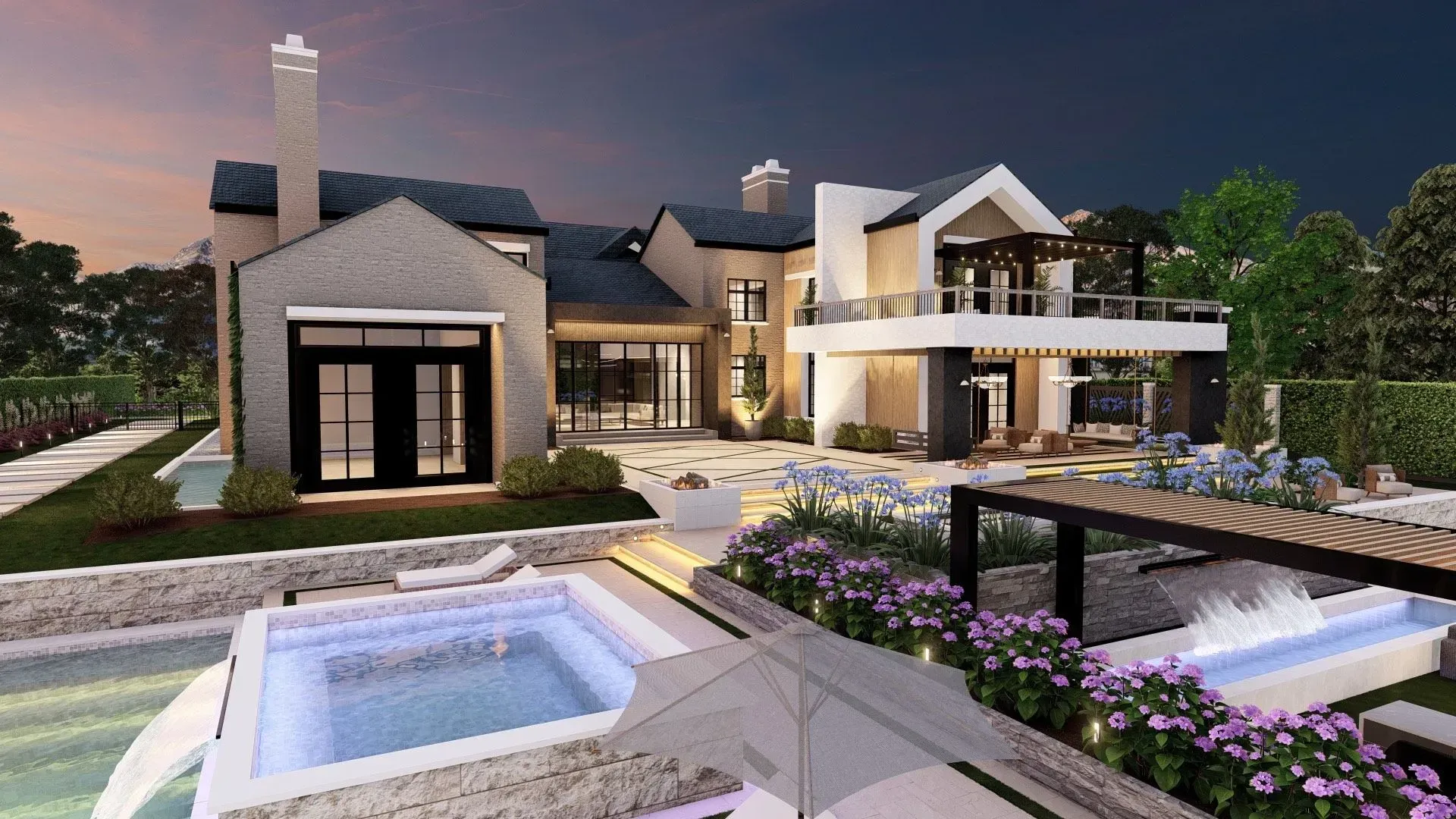
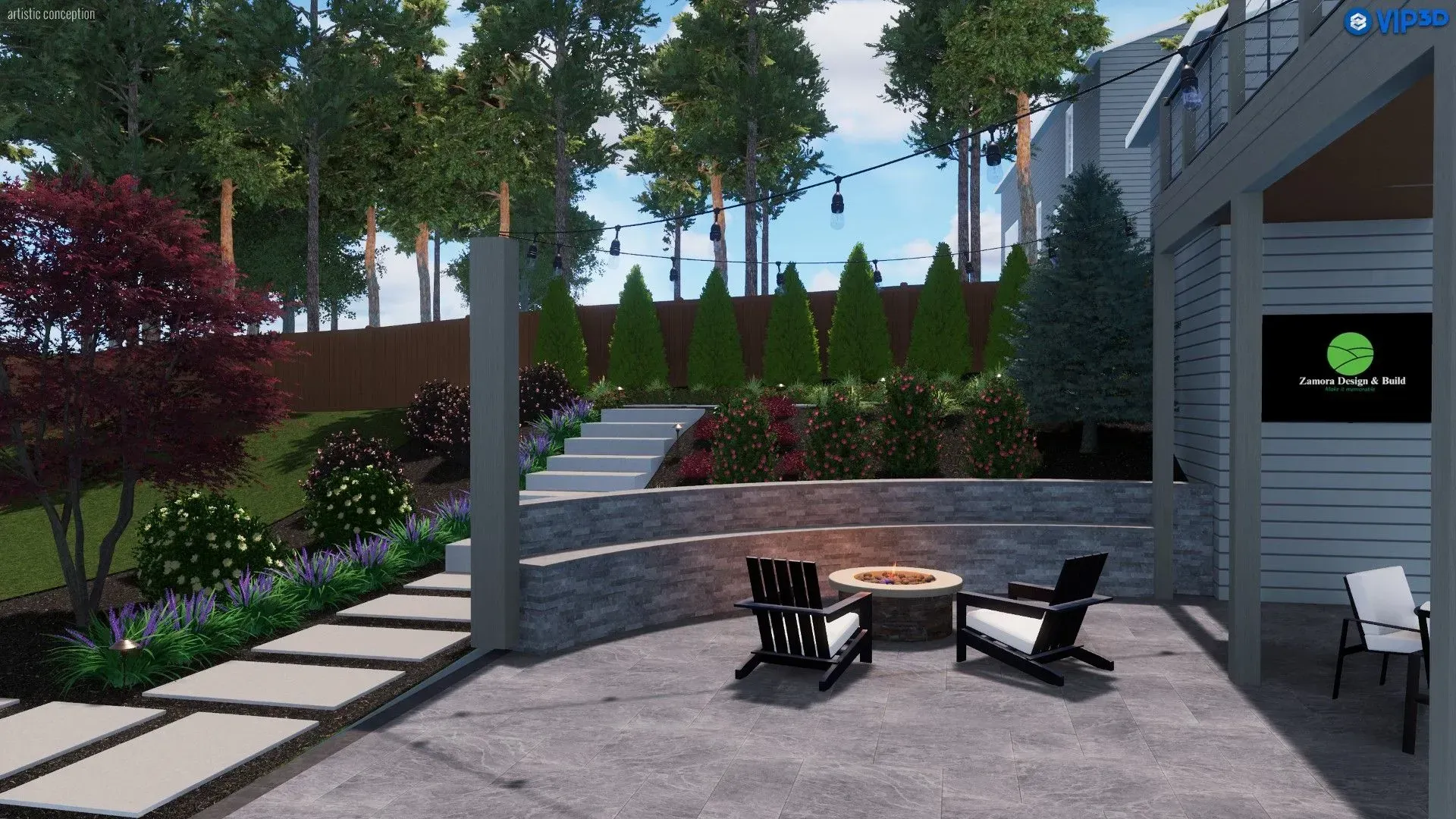
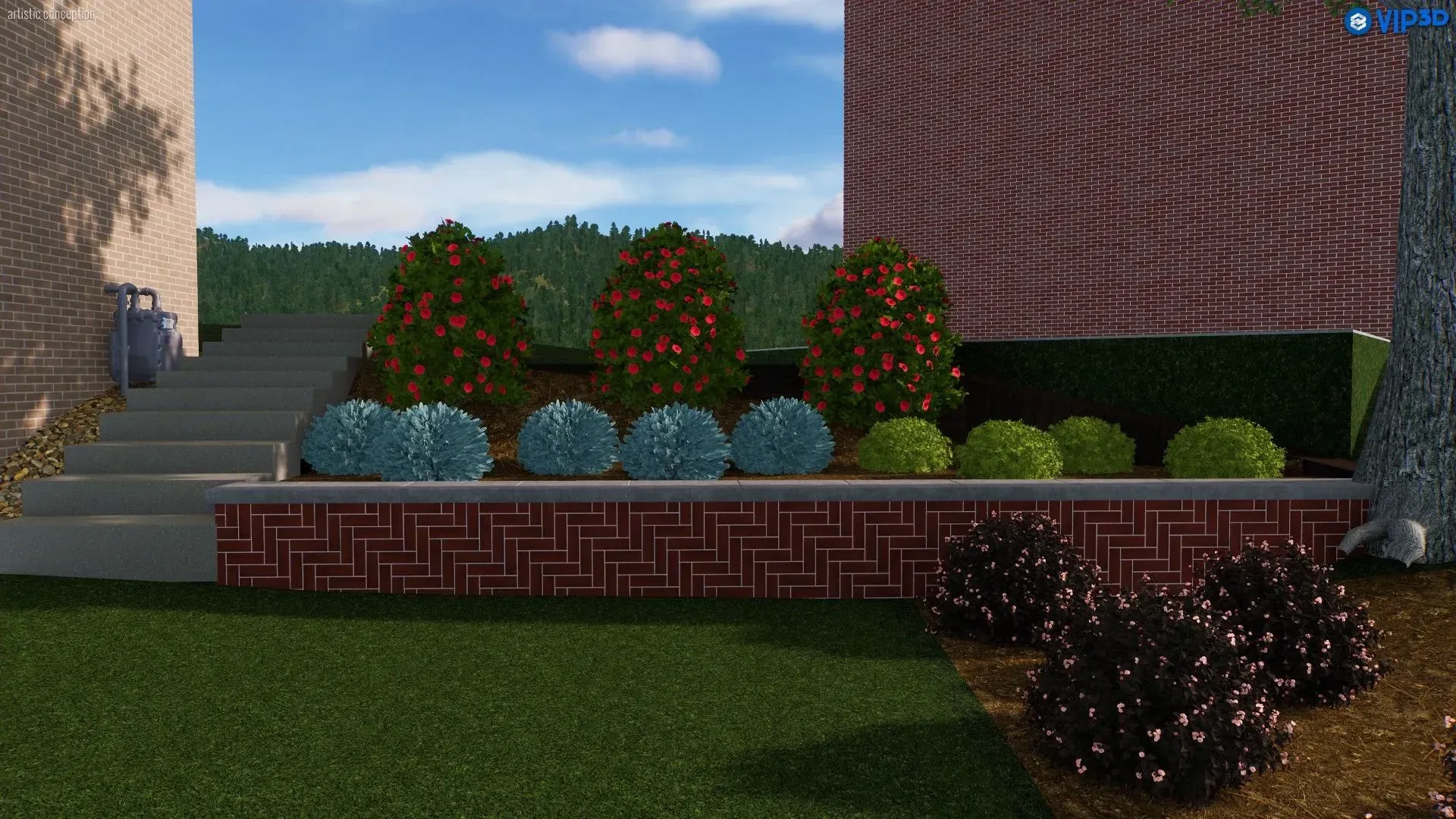
Once the site has been thoroughly assessed, conceptual design begins. Sketches, mood boards, and preliminary layouts provide a visual representation of ideas, helping to communicate the overall style, flow, and key elements of the landscape. This phase allows experimentation with different plant arrangements, hardscape features, water elements, and outdoor structures without committing to final decisions. Presenting multiple design options enables informed choices and ensures the project direction reflects both aesthetic preferences and functional requirements.
Integrating Aesthetic and Functional Considerations
Successful landscape design balances beauty with practicality. Hardscape features such as patios, walkways, retaining walls, and seating areas must complement plantings and outdoor structures while serving intended purposes. For example, positioning a patio in a sunny area encourages outdoor gatherings, whereas placing it under natural shade provides comfort during hot seasons. Integrating irrigation, lighting, and drainage systems during the conceptual stage ensures these functional elements enhance, rather than disrupt, the design.
Sustainable Design Practices
Sustainability is increasingly important in landscape design. Selecting native or drought-tolerant plants reduces water usage and maintenance needs while promoting local biodiversity. Incorporating permeable paving materials, rain gardens, or bioswales helps manage stormwater naturally. Thoughtful plant selection and resource-efficient solutions not only minimize environmental impact but also contribute to long-term cost savings and durability, making the landscape both attractive and responsible.
3. Detailed Design Development
Creating a Master Plan
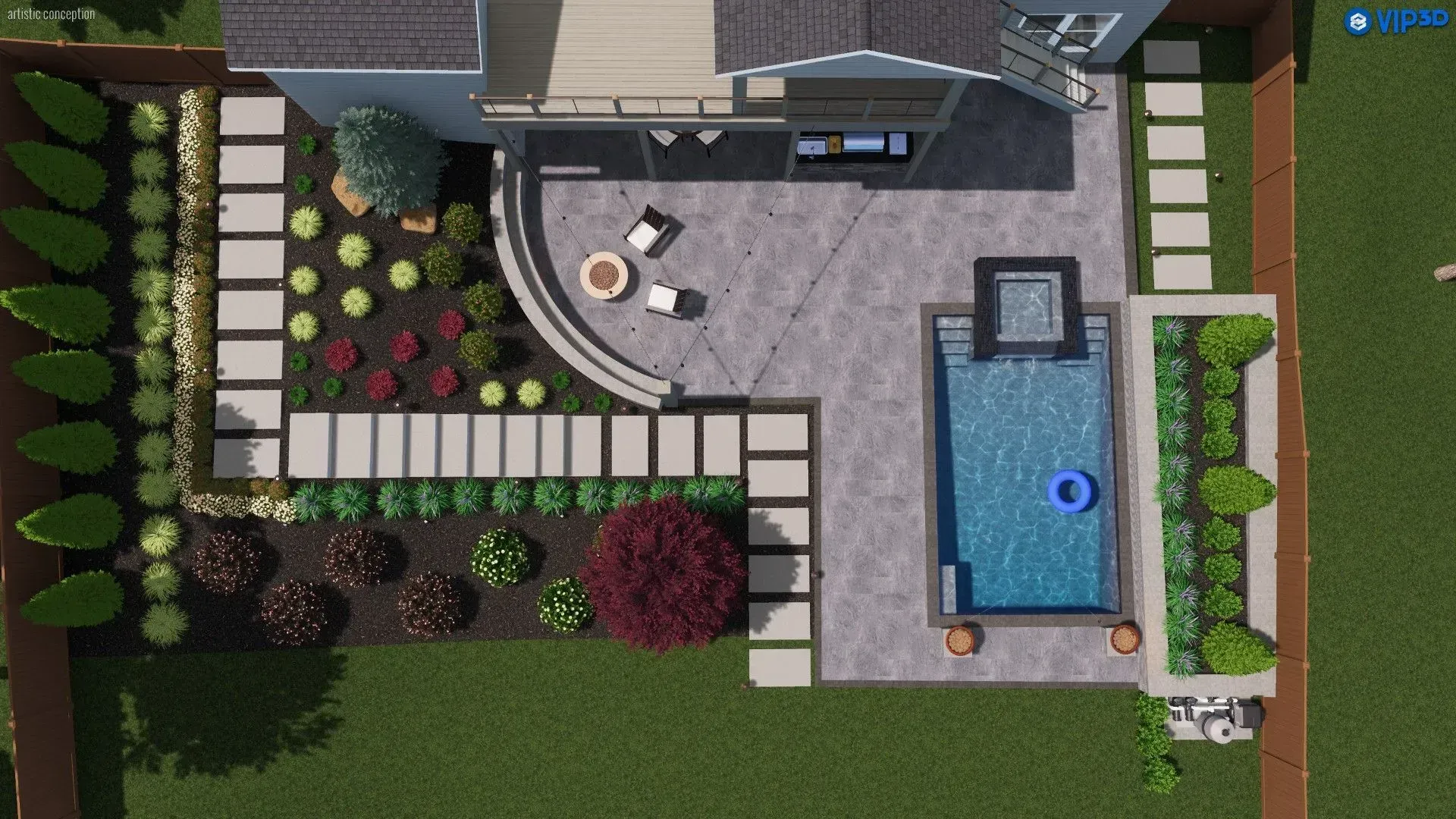
The conceptual design evolves into a detailed master plan that specifies plant species, materials, dimensions, and spatial relationships. This blueprint serves as a guide for installation and ensures consistency between design intent and execution. Detailed plans include layout diagrams, plant schedules, and construction notes for hardscape elements. A comprehensive master plan reduces errors, supports accurate budgeting, and streamlines communication with contractors or suppliers, ensuring each element fits seamlessly within the overall vision.
Selecting Plants and Materials
Plant selection is a critical step in creating a resilient, visually appealing landscape. Factors such as growth habits, color palettes, seasonal interest, and maintenance requirements must be considered. For example, flowering perennials can provide seasonal vibrancy, while evergreen shrubs maintain structure year-round. Similarly, choosing materials for walkways, patios, and walls requires attention to durability, texture, and style compatibility. The right choices create harmony, enhance longevity, and reduce ongoing maintenance efforts.
Addressing Microclimates
Microclimates—variations in temperature, sunlight, and wind exposure within different areas of the property—affect plant performance and placement. Recognizing these subtle differences allows for strategic planting, such as shade-loving plants under trees or wind-resistant species along exposed edges. Adjusting the design to accommodate microclimates ensures plant health, encourages growth, and reduces the need for corrective interventions.
Budgeting and Phasing
A detailed design plan includes a clear budget that aligns with project goals and constraints. Prioritizing essential features and phasing certain installations can make projects more manageable without compromising quality. For instance, hardscape elements can be installed first, followed by plantings as the season allows. Structured phasing ensures smooth execution, avoids unnecessary delays, and provides financial flexibility while maintaining design integrity.
4. Installation and Construction
Site Preparation
Installation begins with preparing the site. This may involve grading, soil improvement, removing debris, and adjusting drainage patterns. Proper preparation is critical for long-term success, ensuring plants establish strong roots and hardscape elements remain stable. Compacted soil, poor drainage, or unaddressed slopes can compromise both aesthetics and functionality, so careful attention to groundwork is essential before proceeding.
Hardscape Installation
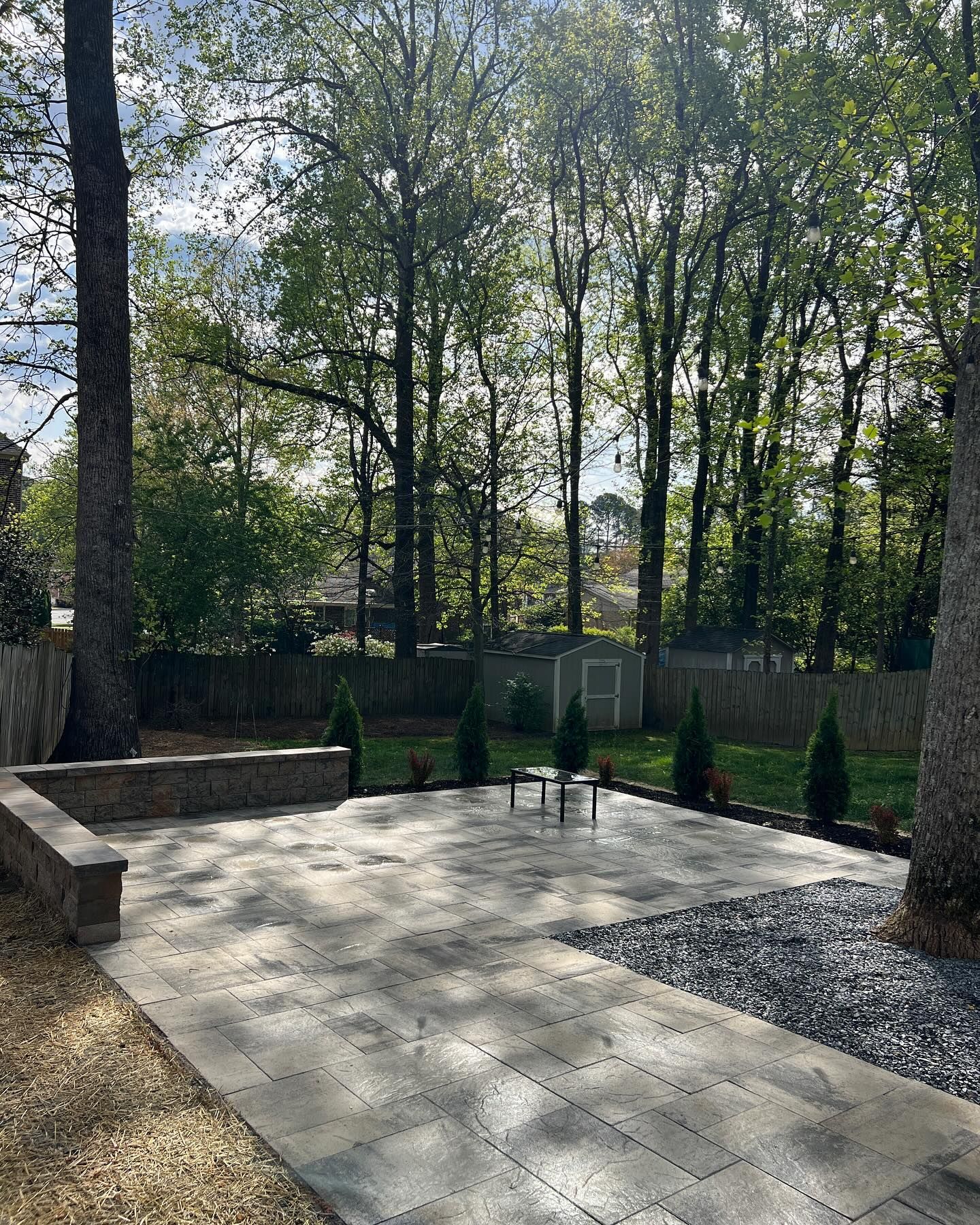
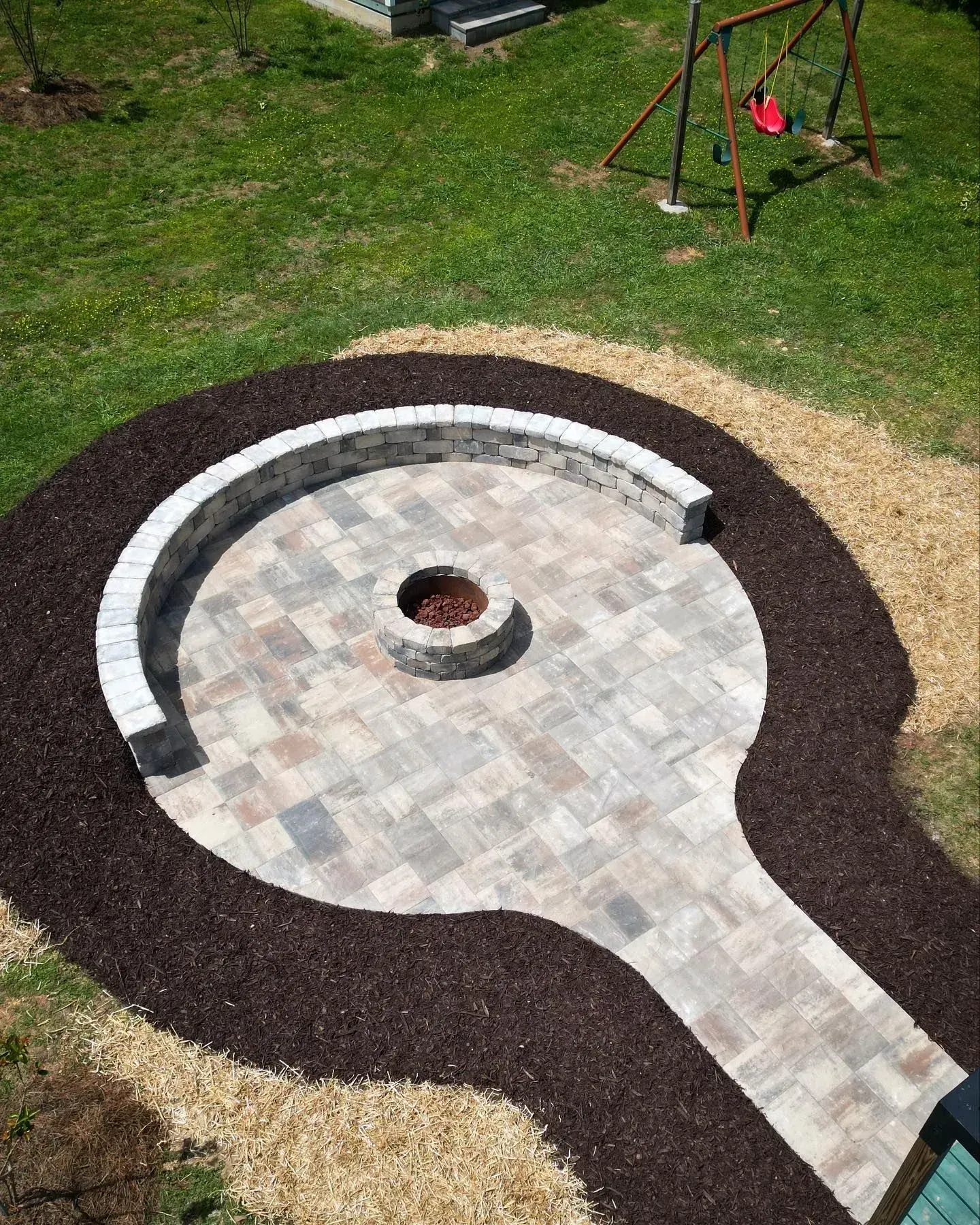
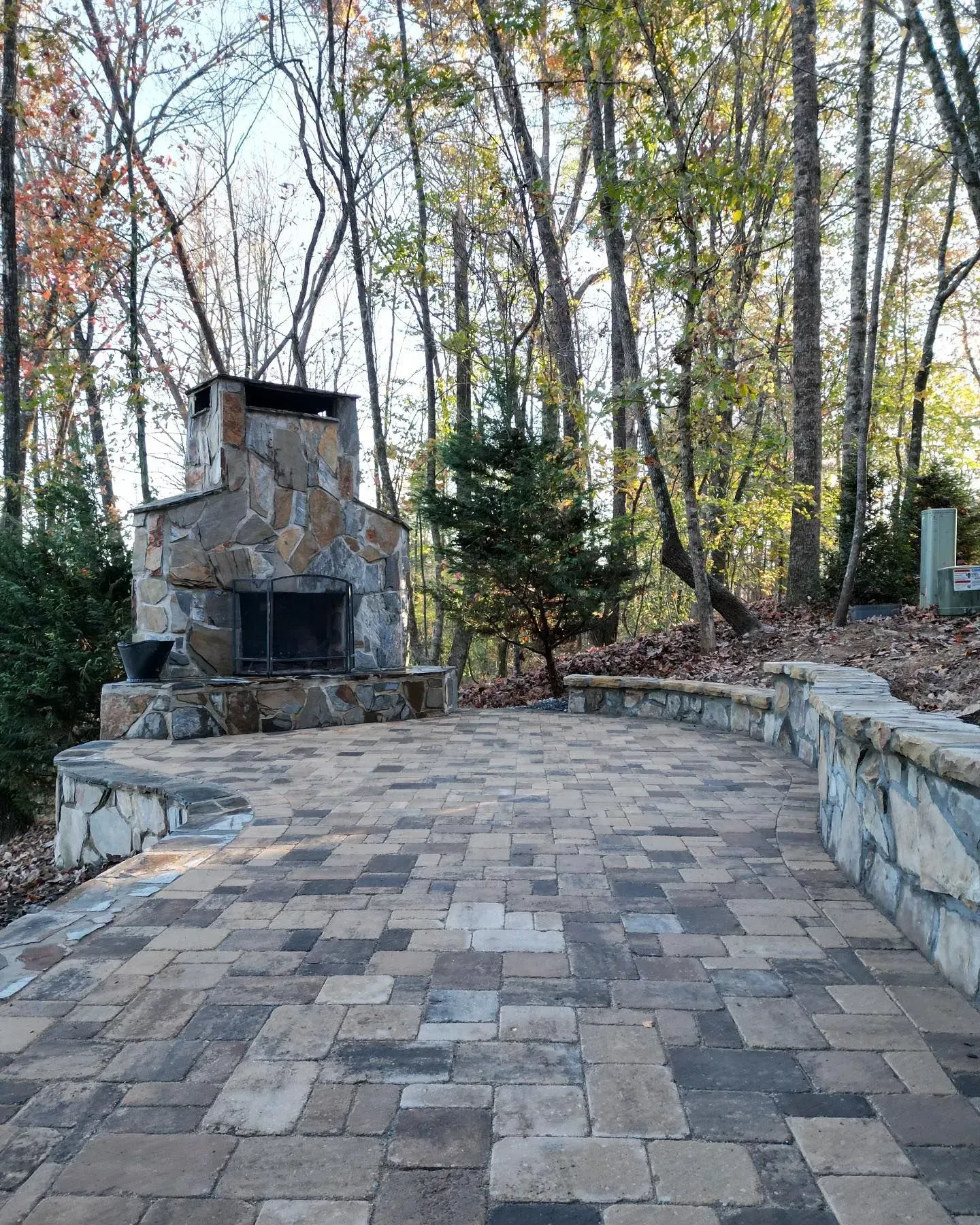
Constructing hardscape elements is often the next step. Patios, walkways, retaining walls, and outdoor kitchens are built according to detailed plans. Accurate execution is vital to ensure structural integrity and seamless integration with the overall design. High-quality materials, precision workmanship, and adherence to safety standards prevent future issues such as cracking, uneven surfaces, or water damage. Properly installed hardscapes provide a foundation for the landscape, enhancing usability and durability.
Planting and Softscape Integration
Once hardscapes are in place, planting begins. Plants are positioned according to the master plan, ensuring proper spacing, depth, and orientation. Mulching, irrigation, and initial care practices are applied to support healthy growth. Attention to detail during planting—such as selecting appropriate soil amendments and avoiding root damage—contributes to long-term success. Softscape integration brings the design to life, creating color, texture, and seasonal interest that complements structural elements.
Irrigation, Lighting, and Finishing Touches
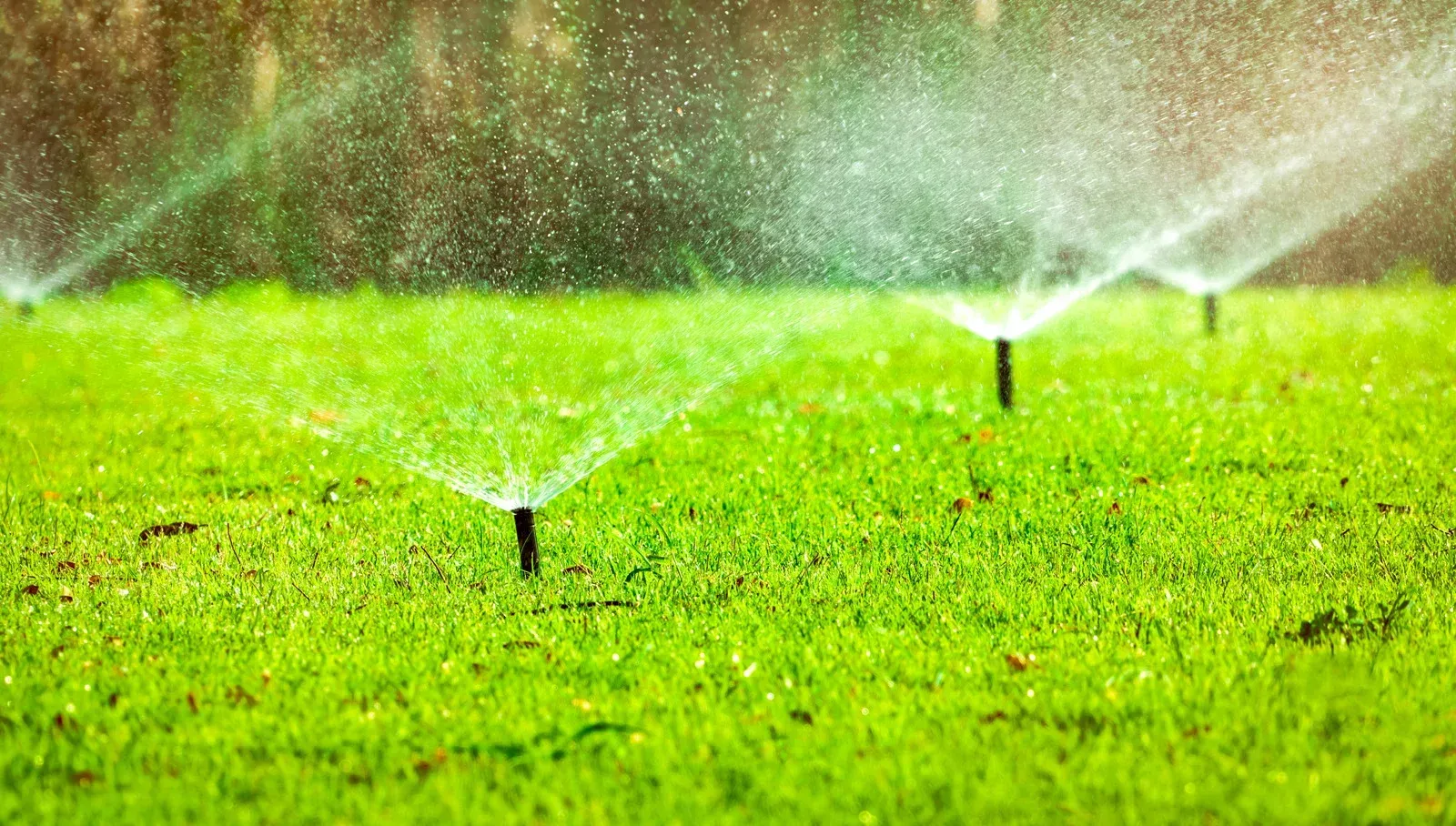
Final steps involve installing irrigation systems, landscape lighting, and other functional features. Automated irrigation ensures consistent watering, promoting healthy plants and efficient water use. Landscape lighting enhances visual appeal, safety, and usability during evening hours. Additional finishing touches, such as decorative boulders, garden art, or seating, complete the transformation. Each element is carefully placed to harmonize with the overall design while serving practical purposes.
5. Maintenance and Long-Term Care
Establishing a Maintenance Plan
A thoughtfully designed landscape requires ongoing maintenance to retain its beauty and functionality. Creating a clear maintenance plan includes pruning schedules, fertilization, pest control, irrigation adjustments, and seasonal cleanups. Regular care prevents overgrowth, disease, and deterioration of hardscape elements, ensuring the investment continues to provide enjoyment and value for years to come.
Adapting Over Time
Landscapes evolve as plants mature, environmental conditions change, and usage patterns shift. Monitoring growth and adjusting elements as necessary allows the space to remain vibrant and functional. This may involve replacing aging plants, modifying irrigation, or adding new features to accommodate changing needs. An adaptable approach ensures the landscape remains relevant, attractive, and aligned with the original vision.
Benefits of Professional Oversight
Professional oversight during installation and maintenance ensures quality and longevity. Expert knowledge guides correct plant placement, material selection, and troubleshooting, preventing common mistakes that could compromise the project. Continuous assessment allows for proactive care, minimizing costly repairs and sustaining a thriving, beautiful landscape over time.
Experience-Driven Solutions For Exceptional Landscape Design Results
Transforming a property from a blank canvas into a stunning, functional landscape requires a systematic, expert-driven process. Each phase, from initial assessment to installation and long-term care, contributes to a cohesive design that balances aesthetics, functionality, and sustainability. Careful planning, thoughtful plant selection, precise construction, and ongoing maintenance ensure the landscape not only meets immediate needs but continues to flourish for years. Understanding these steps highlights the value of professional expertise, strategic decision-making, and attention to detail in achieving a landscape that truly enhances property and lifestyle.
At Zamora Design and Build, serving Kennesaw, Georgia for 20
years, landscapes are treated as enduring works of art that combine functionality, beauty, and resilience. Our approach integrates extensive experience with a commitment to excellence, ensuring every design reflects both personal vision and environmental harmony. By overseeing every stage—from conceptual planning and material selection to precise installation and long-term care—we deliver exceptional outdoor spaces. Trust in our expertise to create a landscape that elevates your property, maximizes usability, and remains vibrant for decades, exemplifying professional craftsmanship and lasting value in every project we undertake.