What Are Hardscapes? Patios, Walkways & Retaining Walls Explained

May 4, 2026

Landscaping is more than planting flowers and maintaining a lush lawn; it’s about creating a harmonious outdoor space that balances aesthetics, functionality, and durability. Hardscapes—permanent or semi-permanent structural elements—play a crucial role in this balance, shaping how spaces are used, experienced, and maintained. They provide stability, structure, and a foundation for outdoor living while complementing the natural elements of a landscape. From elegant patios to sturdy retaining walls, hardscapes enhance both the visual appeal and practical usability of outdoor environments.


Understanding hardscapes is essential for homeowners, designers, and builders alike. Unlike softscapes, which change with seasons and require regular maintenance, hardscapes are built to last, offering long-term solutions that define pathways, seating areas, and boundaries. A well-planned hardscape not only elevates the beauty of an outdoor area but also improves functionality, safety, and property value. By exploring the different types of hardscapes, their benefits, and practical applications, it becomes easier to make informed decisions when designing outdoor spaces that are both inviting and resilient.

The Basics of Hardscapes

What Defines a Hardscape?

Hardscapes refer to the non-living elements of a landscape design that are installed for structural, functional, or decorative purposes. These elements include patios, walkways, retaining walls, decks, pergolas, driveways, and even outdoor kitchens or fire pits, adding structure and longevity. Unlike plants or turf, hardscape materials are typically stone, concrete, brick, wood, metal, or composite materials, providing stability, durability, and permanence in outdoor design.

Key Characteristics of Hardscapes

  • Durability: Engineered to withstand harsh weather, frequent foot traffic, and significant weight loads consistently over time.
  • Low Maintenance: Require considerably less upkeep than living plants, minimizing long-term maintenance efforts and costs.
  • Structural Function: Can support terraces, slopes, or clearly define functional outdoor zones within various landscape layouts.
  • Aesthetic Contribution: Shape the overall visual composition of the landscape, improving both beauty and outdoor flow.

Hardscape vs Softscape

Hardscape complements softscape—the living components of landscaping. While softscapes bring seasonal color, texture, and natural interest to outdoor areas, hardscapes provide essential structure, accessibility, and long-term durability. For example, a garden bed benefits aesthetically and functionally from a surrounding stone walkway, which also prevents soil erosion and guides foot movement efficiently.

Real-World Insight:

A backyard patio paired with flower beds allows functional outdoor seating while maintaining strong visual harmony throughout the entire space. The combination of hard and soft elements ensures both practicality and aesthetic balance simultaneously.

Patios: Outdoor Living Spaces

  • What Is a Patio?

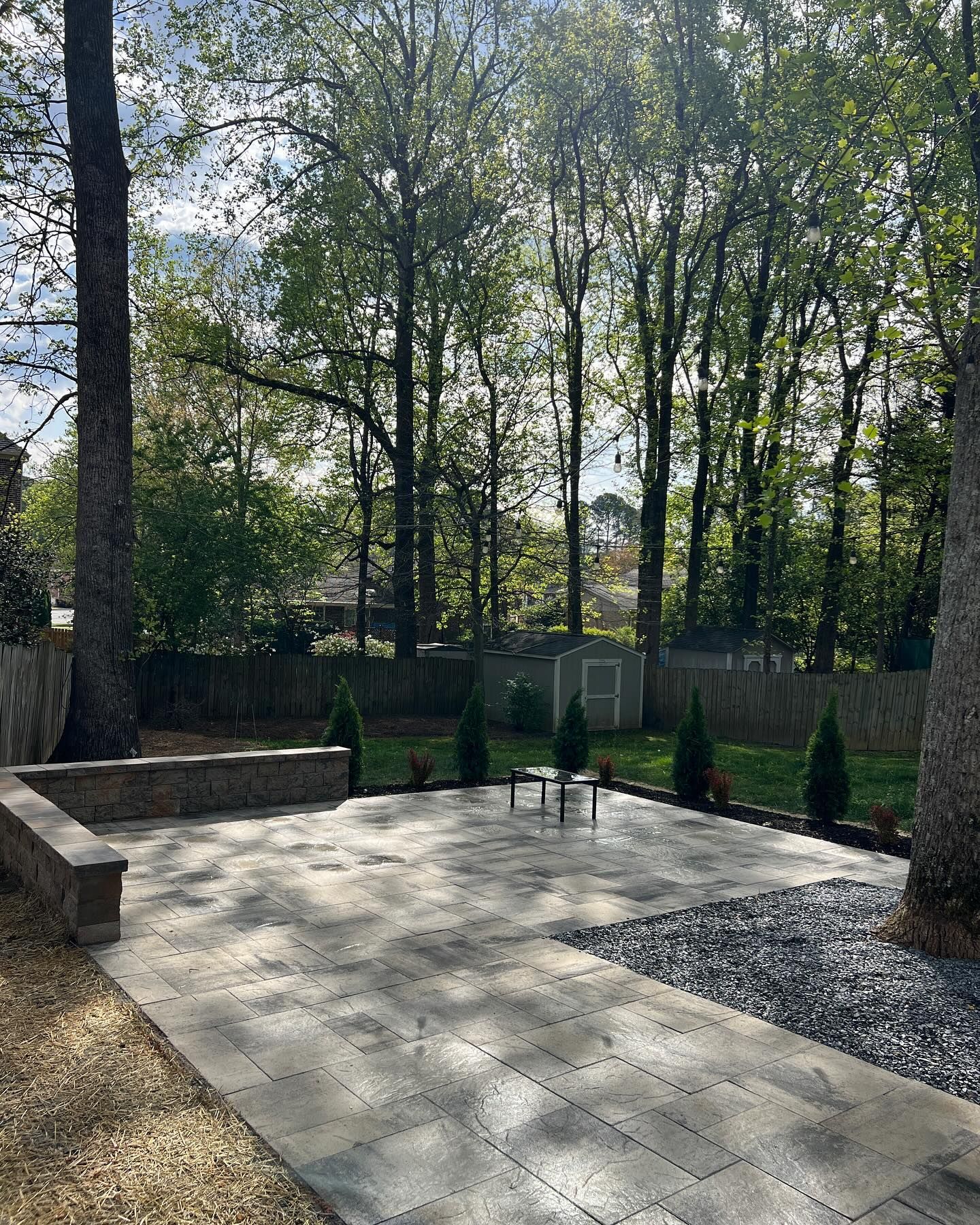
    A patio is a level, paved area adjacent to a home or within a yard, designed for relaxation, dining, or entertainment. It serves as a central gathering space, often extending indoor living seamlessly into the outdoor environment for family enjoyment.

  • Common Materials Used

    • Concrete: Highly versatile, durable, and can be stamped or colored for unique visual appeal.
    • Natural Stone: Offers timeless elegance, unique patterns, and extremely long-term durability when properly installed.
    • Pavers: Modular, easy to install, and available in diverse colors, textures, and patterns.
    • Brick: Provides classic appeal with strong structural longevity and traditional charm.
  • Benefits of Patios

    • Extended Living Space: Acts as a functional outdoor room for gatherings, relaxation, and casual dining experiences.
    • Increased Property Value: Enhances curb appeal and improves overall resale potential substantially.
    • Customizable Design: Shapes, sizes, and materials can reflect personal style while complementing surrounding landscapes.
  • Best Practices for Patio Installation

    • Ensure proper grading and drainage to prevent standing water and potential long-term damage.
    • Consider integration with landscaping, lighting, and outdoor furniture for a cohesive outdoor environment.
    • Use durable materials suitable for local climate, soil, and frequent usage patterns consistently.
  • Example Scenario:

    A family uses a stone patio for seasonal barbecues, outdoor dining, and casual lounging comfortably. By selecting permeable pavers, rainwater drains efficiently, minimizing erosion while maintaining visual appeal and functional longevity.

Walkways: Navigating Outdoor Spaces

Purpose of Walkways

Walkways guide movement through a property while enhancing visual organization and overall design structure. They connect key areas such as driveways, patios, gardens, and entrances, offering both practical function and aesthetic enhancement.

Common Materials for Walkways

  • Gravel: Affordable, adjustable, and easy to install while providing a natural appearance.
  • Flagstone: Durable, visually appealing, and provides a rustic, elegant natural look over time.
  • Concrete: Low-maintenance, adaptable to multiple designs, and highly versatile for diverse layouts.
  • Brick: Provides a traditional, formal aesthetic that complements both contemporary and classic designs.

Benefits of Walkways

  • Safety: Reduces slips, trips, and exposure to mud, uneven terrain, or potentially hazardous surfaces.
  • Landscape Protection: Directs foot traffic away from delicate plants, gardens, or sensitive lawn areas.
  • Design Cohesion: Creates visual flow that integrates hardscape elements effectively with surrounding softscape areas.

Installation Considerations

  • Maintain even surfaces to prevent potential tripping hazards and ensure easy accessibility.
  • Use edging materials to prevent migration of stones, gravel, or modular pavers over time.
  • Incorporate curves, patterns, or decorative elements to enhance overall aesthetic appeal and flow.

Real-World Application:

A winding flagstone walkway can transform a backyard into a scenic route through gardens, connecting a patio with a vegetable patch efficiently while maintaining functional durability and visual harmony.

Retaining Walls: Stability and Style

  • What Are Retaining Walls?

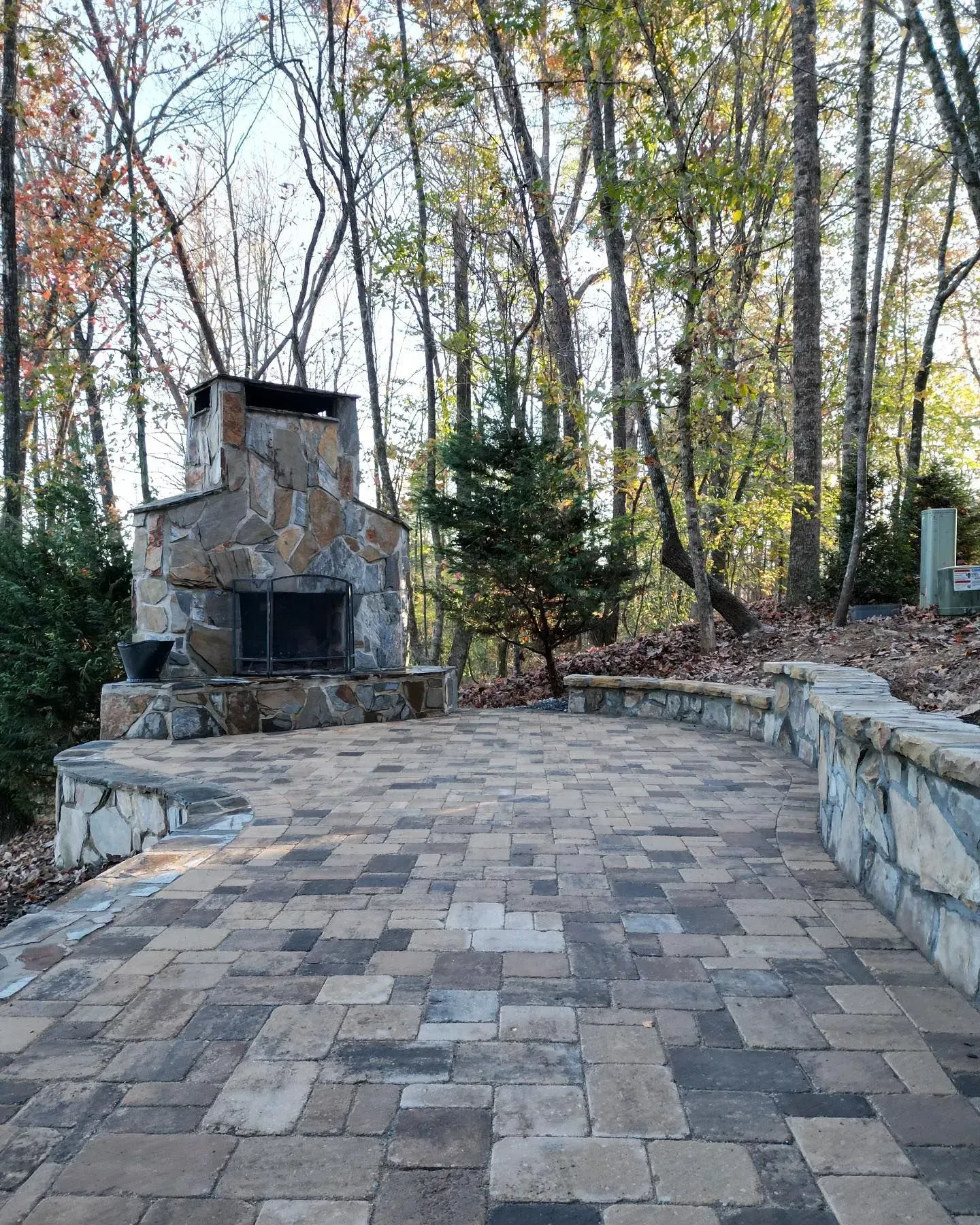
    Retaining walls are vertical or near-vertical structures designed to hold back soil and effectively manage elevation changes. They are particularly essential on sloped properties, preventing erosion, landslides, and water damage while adding a structured, visually appealing element to landscapes.

  • Materials Commonly Used

    • Concrete Blocks: Strong, versatile, and easy to stack while providing long-term stability.
    • Natural Stone: Offers a timeless, high-end appearance and natural durability.
    • Timber: Lightweight, natural, and suitable for smaller residential or garden-scale projects.
    • Gabion Baskets: Wire containers filled with rocks, modern, durable, and visually interesting.
  • Benefits of Retaining Walls

    • Erosion Control: Stabilizes soil effectively and prevents washouts, landslides, or water damage.
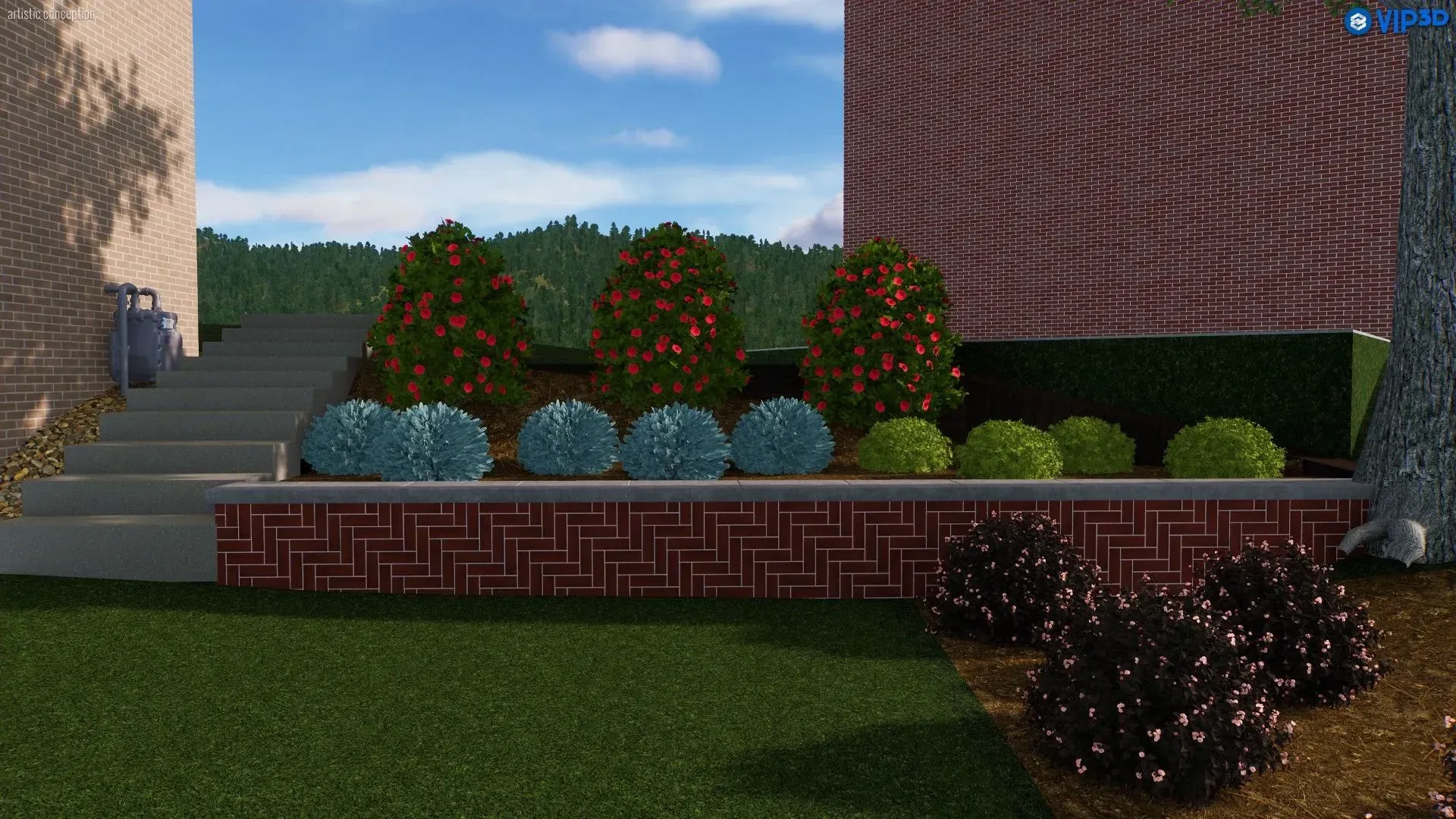
    • Functional Space: Creates level areas suitable for gardens, patios, or walkways on uneven terrain.
    • Aesthetic Enhancement: Adds texture, pattern, and overall visual interest to outdoor spaces seamlessly.
  • Design and Installation Tips

    • Include proper drainage systems to relieve hydrostatic pressure efficiently behind walls.
    • Ensure foundation and base material are adequately prepared to support the total weight reliably.
    • Consider plantings or decorative stone veneers to improve visual appeal and natural integration.
  • Example Scenario:

    On a hillside property, a tiered retaining wall made of natural stone creates multiple flat garden areas effectively while preventing soil erosion. Integrated lighting along the wall enhances nighttime ambiance and outdoor usability.

Driveways and Pathways: Durable Access Points

Functionality and Design

Driveways and pathways are critical hardscape components providing safe, reliable access to properties. They require materials that endure frequent traffic, weather changes, and long-term wear while complementing the overall landscape design.

Popular Driveway Materials

  • Asphalt: Cost-effective, resilient, and easy to maintain while withstanding repeated vehicle use.
  • Concrete: Durable, customizable, and allows for decorative finishes and finishes integration.
  • Pavers: Offers design flexibility, modular installation, and easy repair or replacement over time.
  • Gravel: Economical, easy to install, and permits natural water drainage without damage.

Benefits of Properly Designed Driveways

  • Longevity: Reduces cracking, erosion, and unnecessary maintenance needs consistently over time.
  • Aesthetic Appeal: Serves as the visual introduction to the property while complementing exterior design.
  • Practicality: Supports vehicles safely, organizes outdoor flow, and improves functionality for everyday use.

Best Practices

  • Design with slopes to ensure effective water drainage and prevent pooling or damage.
  • Choose material suited to local climate, usage intensity, and long-term durability.
  • Incorporate borders, edging, or defined patterns for visual definition and structural integrity.

Real-World Example:

A paver driveway with integrated lighting enhances curb appeal while guiding vehicles safely to the garage. Its modular design allows easy replacement of damaged pavers, extending overall lifespan and functional efficiency.

Outdoor Living Structures: Enhancing Experience

  • Pergolas, Decks, and Fire Pits

    Beyond functional hardscapes, structures like pergolas, decks, and fire pits elevate the outdoor living experience significantly. These installations combine utility with visual interest, creating inviting spaces for relaxation, entertainment, and social gatherings effectively.

  • Key Benefits

    • Pergolas: Provide shade, define outdoor areas clearly, and support climbing plants or vines attractively.
    • Decks: Offer elevated seating or dining areas while connecting the home seamlessly to the yard.
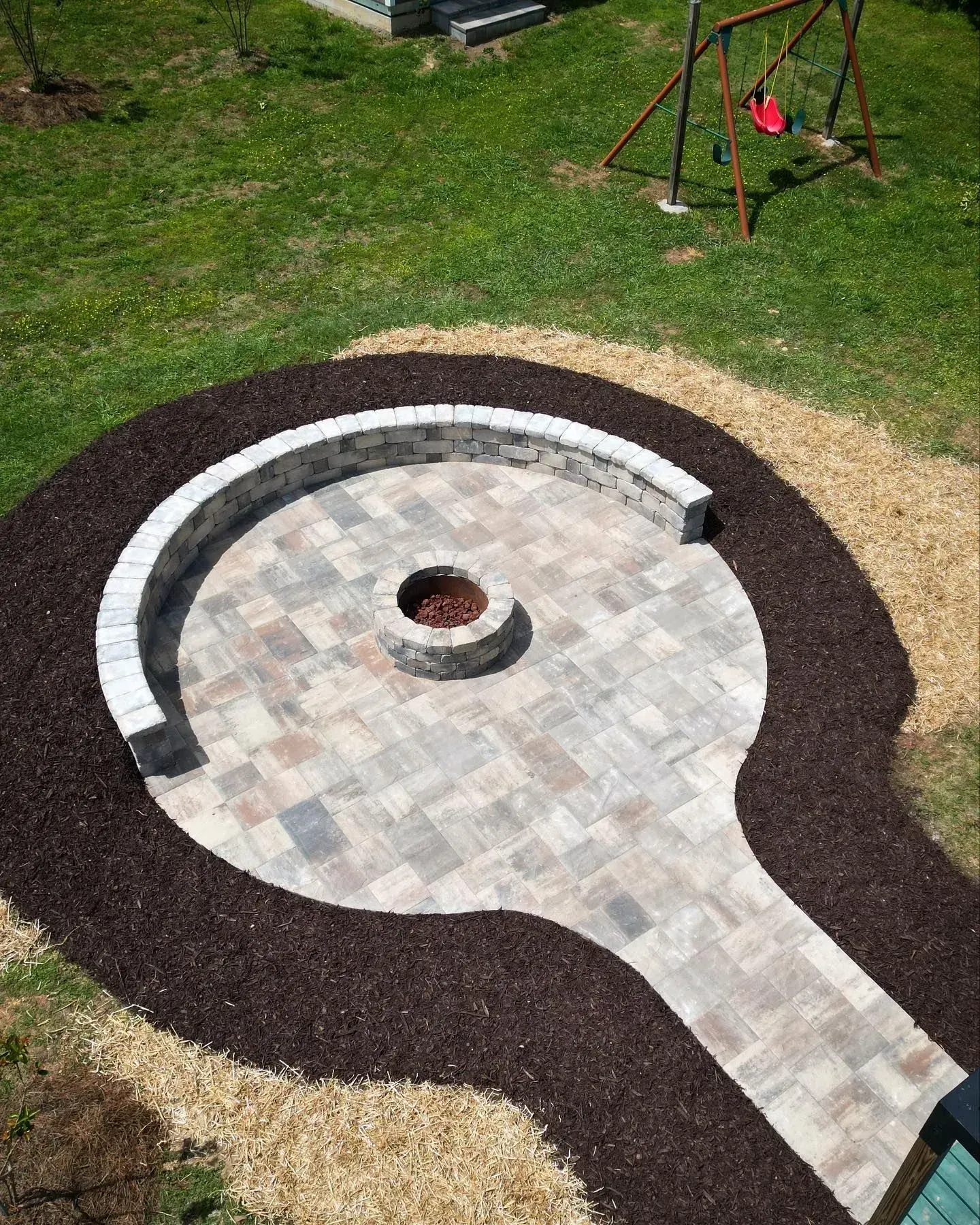
    • Fire Pits: Serve as focal points for gatherings, extending outdoor usability into cooler months comfortably.
  • Best Practices for Outdoor Structures

    • Ensure materials are weather-resistant, durable, and designed to withstand environmental exposure.
    • Design for proper load support, safety, and long-term comfort for all users reliably.
    • Integrate seamlessly with existing landscaping, lighting, and pathways for cohesive visual appeal.
  • Example Scenario:

    A backyard pergola with a stone deck and built-in fire pit creates a versatile, inviting space for family gatherings. Surrounding plantings and stone pathways unify the hardscape with the natural environment, maximizing both beauty and practical functionality outdoors.

Experienced Specialists Enhancing Outdoor Function and Beauty

Hardscapes are essential in shaping functional, beautiful, and long-lasting outdoor spaces. Patios, walkways, retaining walls, driveways, and outdoor structures not only provide structure and safety but also enhance the visual composition and usability of landscapes. By understanding the materials, design considerations, and benefits, it becomes possible to create spaces that balance practicality with aesthetic appeal. Proper planning, installation, and integration with natural elements ensure durability, low maintenance, and long-term value.


At Zamora Design and Build, decades of experience in landscape design and hardscape installation enable the creation of outdoor spaces that are both striking and functional. Based in Kennesaw, Georgia, and serving the area for 20 years, expertise ensures every patio, walkway, and retaining wall is designed with precision, durability, and aesthetic appeal. Personalized solutions cater to unique properties, climate conditions, and homeowner preferences. By combining innovation with proven techniques, outdoor spaces are transformed into inviting, cohesive environments that stand the test of time.

An aerial view of a modern backyard with a fire pit, dining pergola, stone paths, wooden fencing, and landscaped garden.
April 9, 2026
Creating a beautiful, functional outdoor space requires more than just planting flowers or laying sod. Landscape design is a careful blend of art, science, and practical planning. It involves understanding the property’s unique characteristics, integrating natural and built elements,
Lush green lawn with a stone walkway, bordered by plants, leading into a well-manicured backyard.
March 7, 2026
Choosing the right landscape design approach is one of the most important decisions a property owner in Kennesaw can make. With growing demand for outdoor living spaces, curb appeal enhancements, and sustainable yard solutions, homeowners are often faced with a key question:
Backyard with patio, shed with green door, and air conditioning unit.
February 12, 2026
Landscape design is the thoughtful planning and arrangement of outdoor spaces to create environments that are functional, visually appealing, and sustainable. For Georgia homeowners, landscape design is more than planting flowers or installing sod.