Grass Won't Grow on Your Shady or Sloped Georgia Lot? What Actually Works

July 3, 2026

Quick Answer: Grass won't grow in shade because most lawn grasses need several hours of direct sun a day, and deep shade simply doesn't provide it. On slopes, the problem is that water and grass seed run off before they can establish, and the soil stays thin and dry. Fighting it with more seed and water rarely works. What actually works is matching the solution to the spot: shade-tolerant ground covers, mulch beds, or hardscape in deep shade, and terracing, retaining walls, or planted slopes where grass keeps washing away.


You have reseeded that bare patch under the trees three times. You have watered the slope by the driveway faithfully. And still, the grass comes in thin, patchy, and weak, or it just refuses to grow at all, leaving bare dirt that washes and turns to mud. It is one of the most common and frustrating yard problems, and it feels like a personal failure when the rest of the lawn looks fine.


Here is the reframe that changes everything: in those spots, grass is not failing because you are doing something wrong. It is failing because the conditions are wrong for grass, and no amount of seed and water changes the fundamental reason. Deep shade and steep slopes are simply hard places to grow a lawn, and the smart move is not to fight them harder but to work with them. Understanding why grass struggles in these spots points to solutions that actually hold up, and often look better than struggling turf ever would. Here is what is really going on and what works instead.

Why Grass Won't Grow in Shade

Grass is a sun-loving plant, and that simple fact is behind most bare, shady spots.


Lawn grasses make their food through photosynthesis, which requires sunlight, and most turf grasses need several hours of direct sun a day to grow thick and healthy. In the dense shade under mature trees or on the north side of the house, that sunlight never arrives in the amount grass needs. The grass that does sprout there is stretched, thin, and weak, easily outcompeted and quick to die back, leaving bare ground. Reseeding just puts new seed into the same low-light conditions, so it meets the same fate.


Shade often comes with a second problem: the trees casting it. Tree roots compete fiercely with grass for the limited water and nutrients in the soil, and the canopy can intercept rainfall before it reaches the ground. So grass under a tree is fighting on two fronts, too little light and too much competition, which is why those spots are so stubborn. In our area, where established hardwoods and pines shade many yards, this is one of the most common reasons a patch of lawn simply will not fill in.


The honest takeaway is that there is a point of shade where grass cannot win, no matter the variety or effort. Recognizing that a spot has crossed that line is the first step to a solution that actually works, because it shifts the goal from forcing grass to choosing something suited to the shade.

Why Grass Won't Grow on a Slope

Slopes fail grass for a completely different reason, and it comes down to water and soil staying put, or not.


On a slope, gravity works against establishment at every step. Water, whether from rain or irrigation, runs down the incline before it can soak in, so the soil on a slope tends to stay dry even when you water it. Grass seed washes downhill before it can root, ending up at the bottom instead of where you spread it. And the topsoil itself erodes away, leaving thin, poor soil on the slope that struggles to support growth. The steeper the slope, the worse all three problems get.


Georgia's red clay makes slopes even harder. Clay sheds water rather than absorbing it quickly, so runoff is faster and erosion more aggressive, and the exposed clay on a bare slope bakes hard and dry. The result is a slope where grass cannot get established before the next rain washes the seed, soil, and moisture away, leaving bare, eroding ground that turns to mud and washes sediment into the rest of the yard.


So a bare slope is not a fertility problem you can seed your way out of; it is a stability and water problem. Until the slope holds water and soil long enough for roots to establish, or is handled a different way, grass will keep losing the battle.

Tip: Before deciding what to do with a problem spot, spend a day noting how much direct sun it actually gets and watch what water does there during a rain. A few hours of sun may allow a shade-tolerant approach; near-total shade calls for something other than grass. On a slope, watching the water sheet down and pool at the bottom tells you erosion and runoff are the real issue. Matching the solution to what you observe is what makes it stick.

What Actually Works in Shade

Once you accept that deep shade will not grow a lawn, a range of solutions opens up that thrive where grass cannot, and they often make the space more attractive than patchy turf.


Shade-tolerant ground covers

Many low, spreading plants are happy in shade and form a lush green carpet where grass fails. They cover the ground, suppress weeds, and need far less light than turf, turning a bare, muddy patch into an intentional planted area.


Mulched beds around the trees

Rather than fighting the tree for a lawn, a mulched bed under the canopy works with it. Mulch covers the bare soil, retains moisture, protects the tree roots, and gives a clean, finished look. It also ends the impossible task of mowing under low branches.


Shade gardens with the right plants

A planted bed of shade-loving shrubs, perennials, and foliage plants turns a dead zone into a feature. Chosen for the conditions, these plants flourish in the low light that defeats grass.


Hardscape where nothing wants to grow

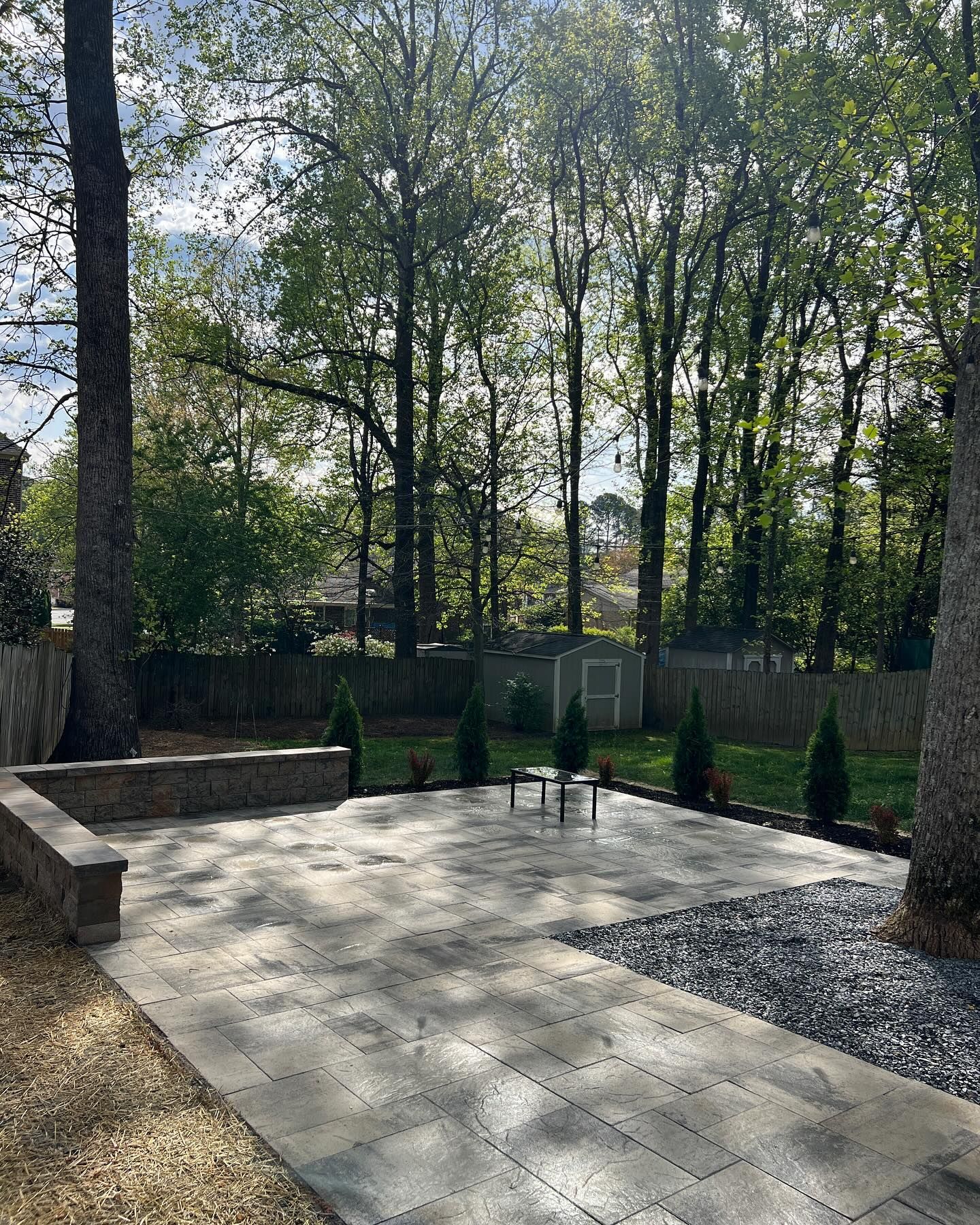
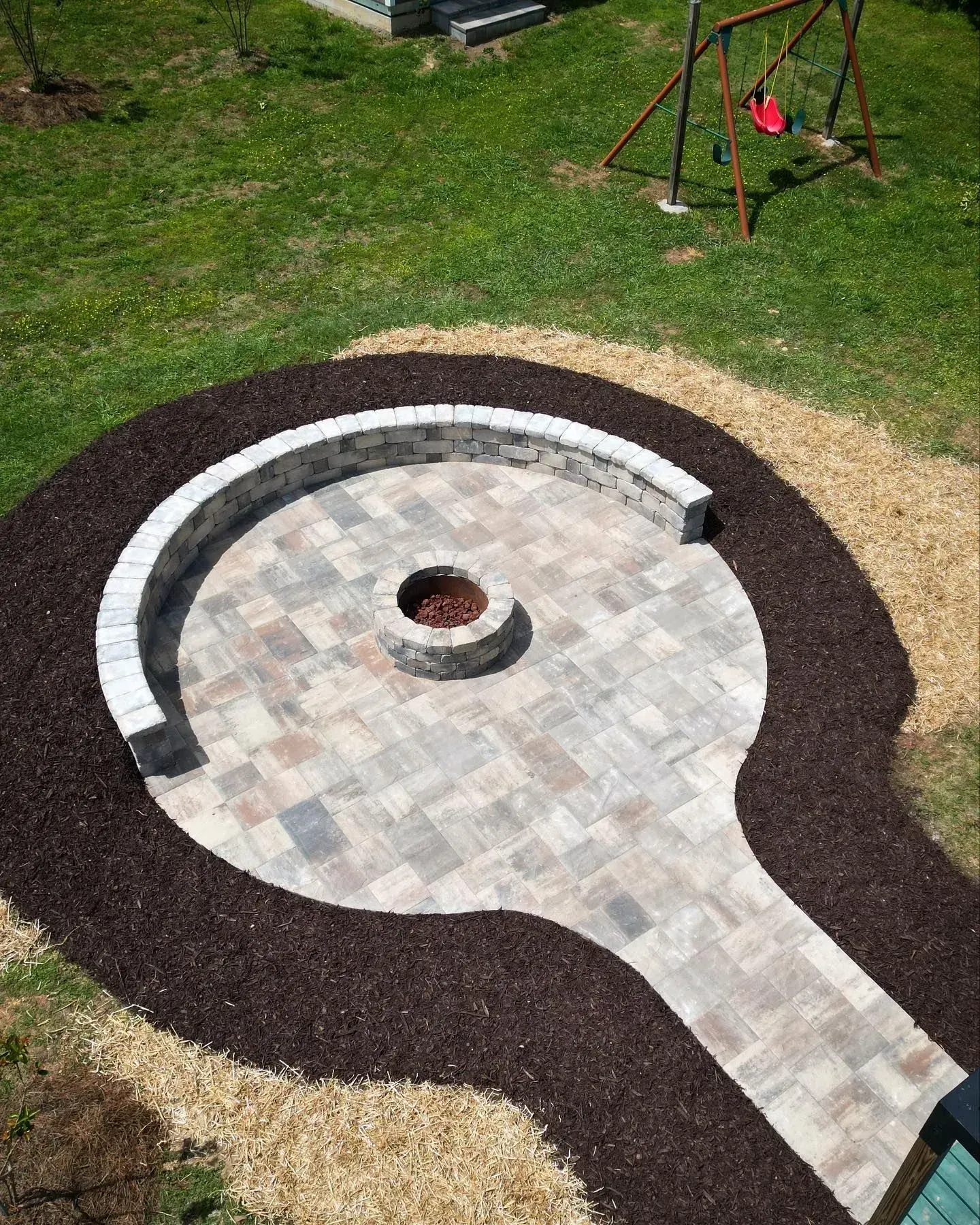
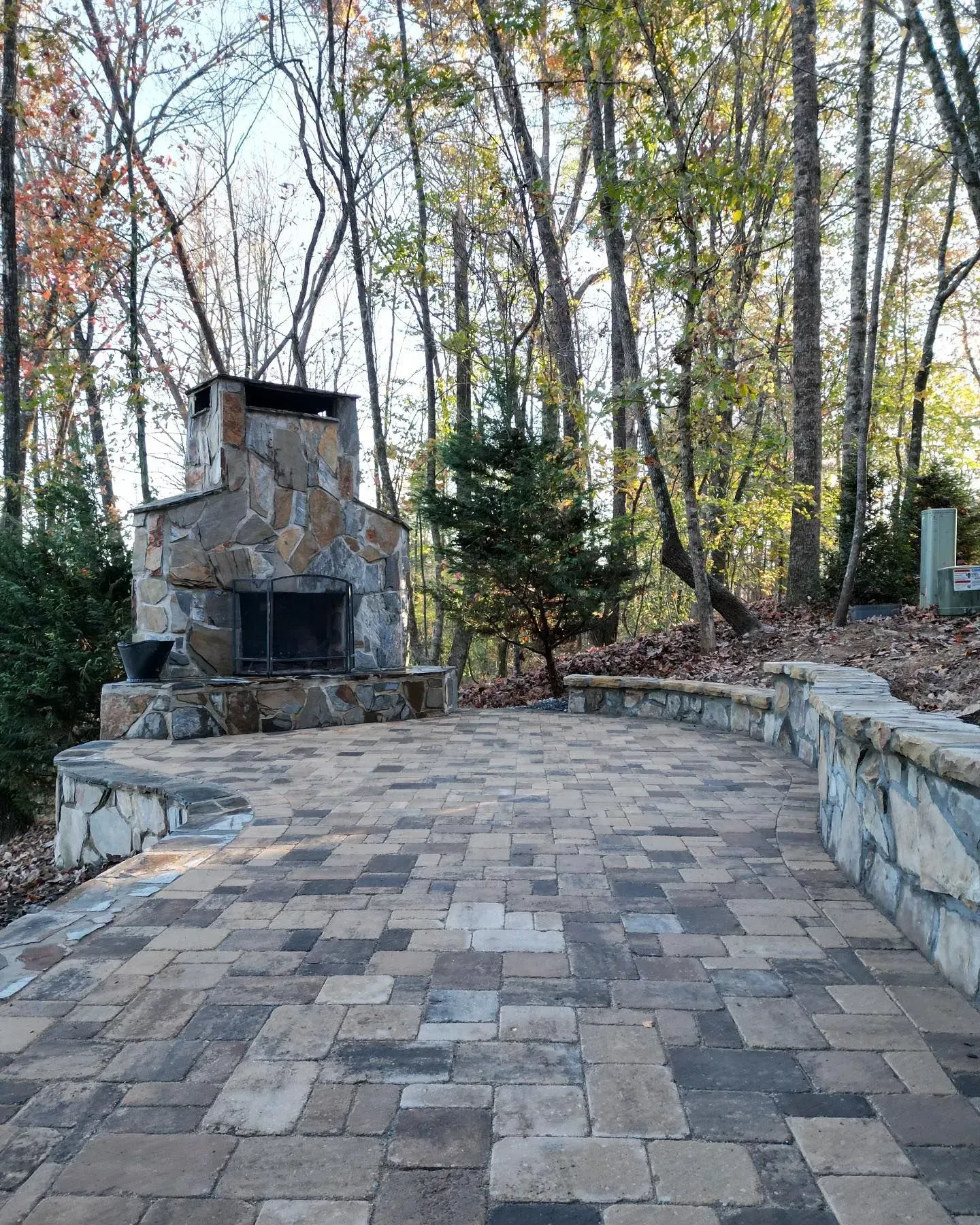
In deep, high-traffic shade, sometimes the best answer is not a plant at all. A flagstone path, a patio, a seating area, or a gravel feature turns an unusable, muddy spot into functional outdoor living space.


The common thread is that each option is chosen because it suits shade, rather than asking sun-loving grass to do something it cannot. The result tends to look deliberate and polished instead of like a lawn that is losing.

What Actually Works on a Slope

For slopes, the solutions all share one goal: stop the runoff and erosion so something can establish, or remove the slope from the equation.


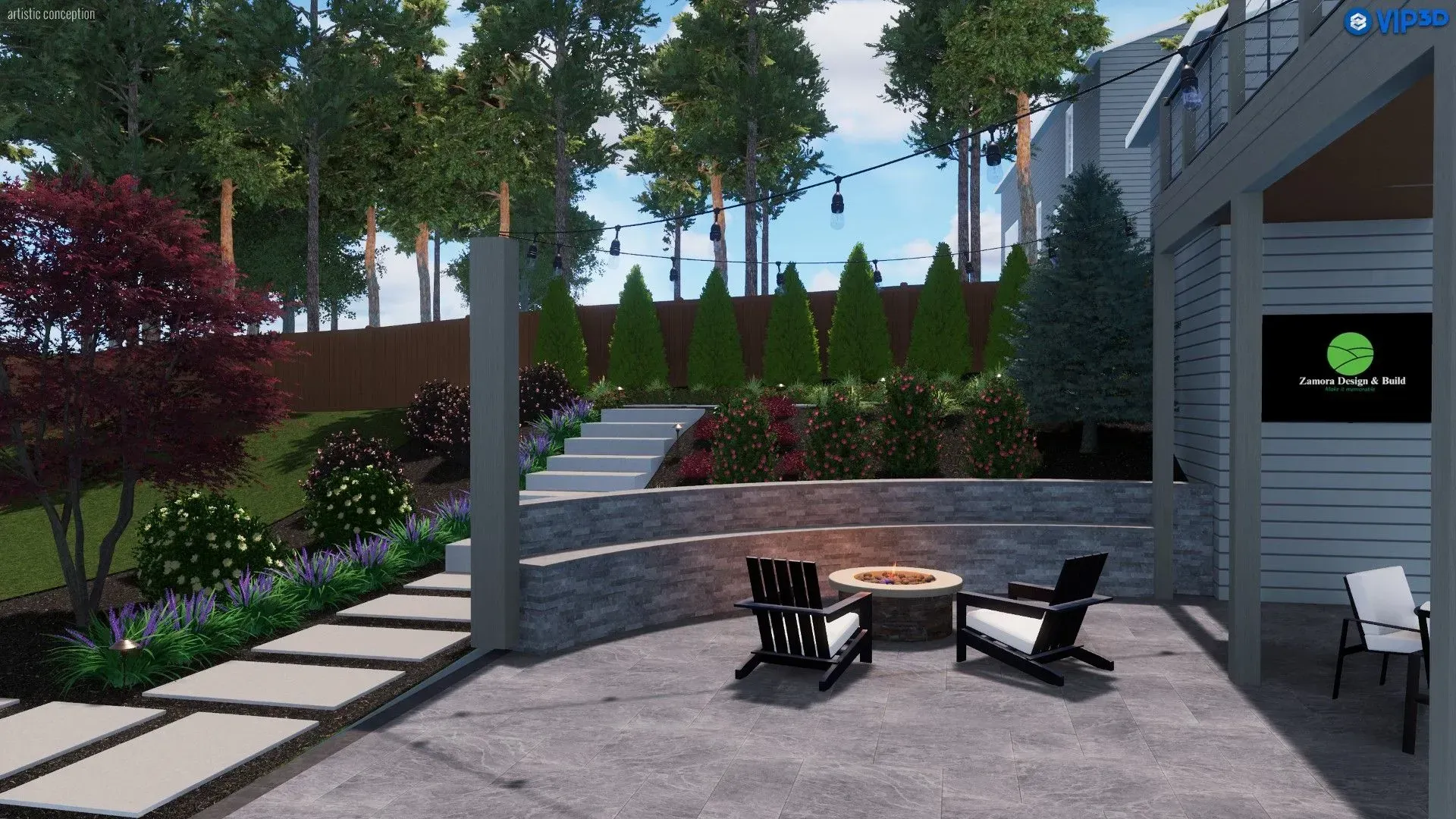
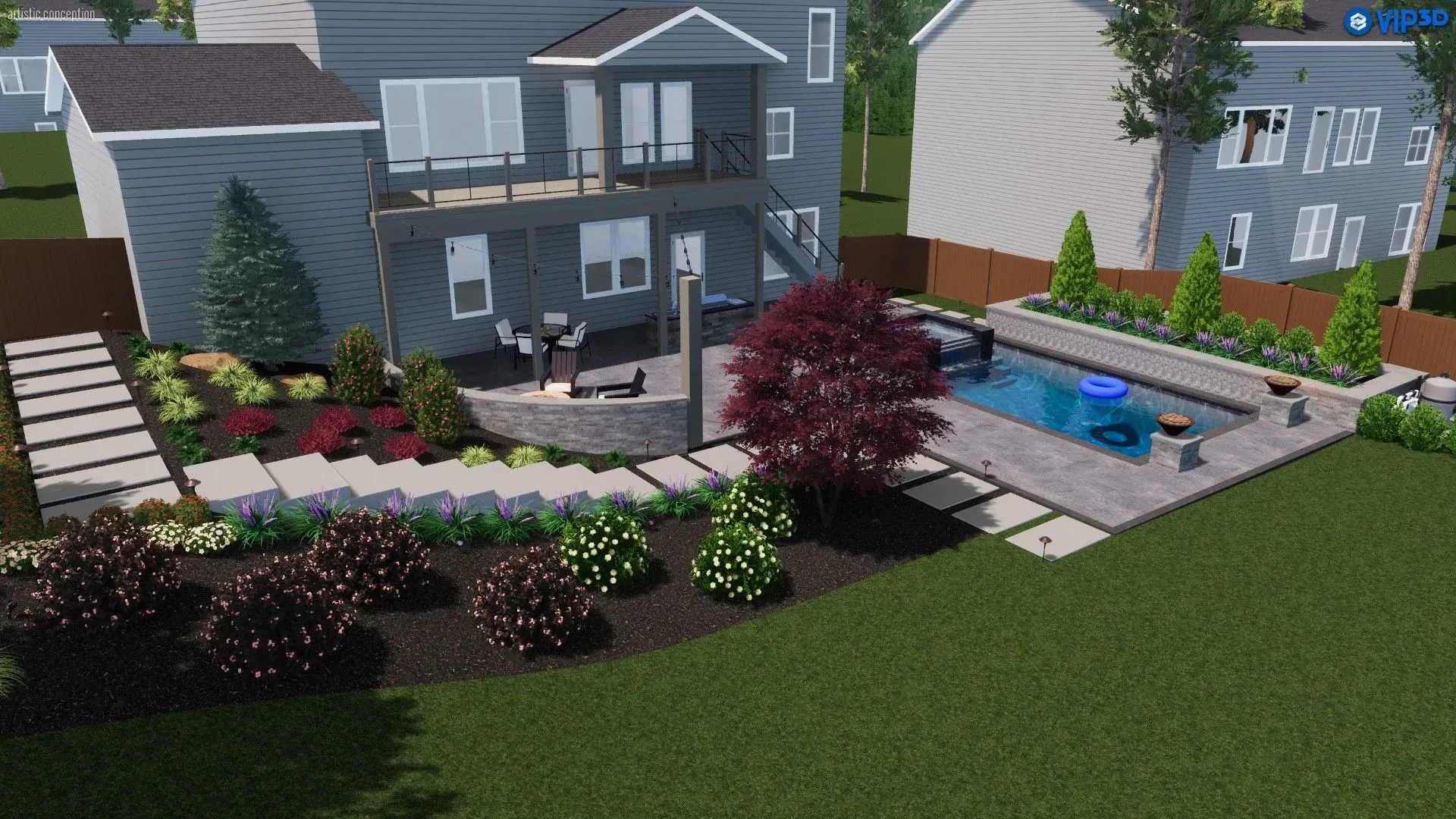
Terracing or retaining walls

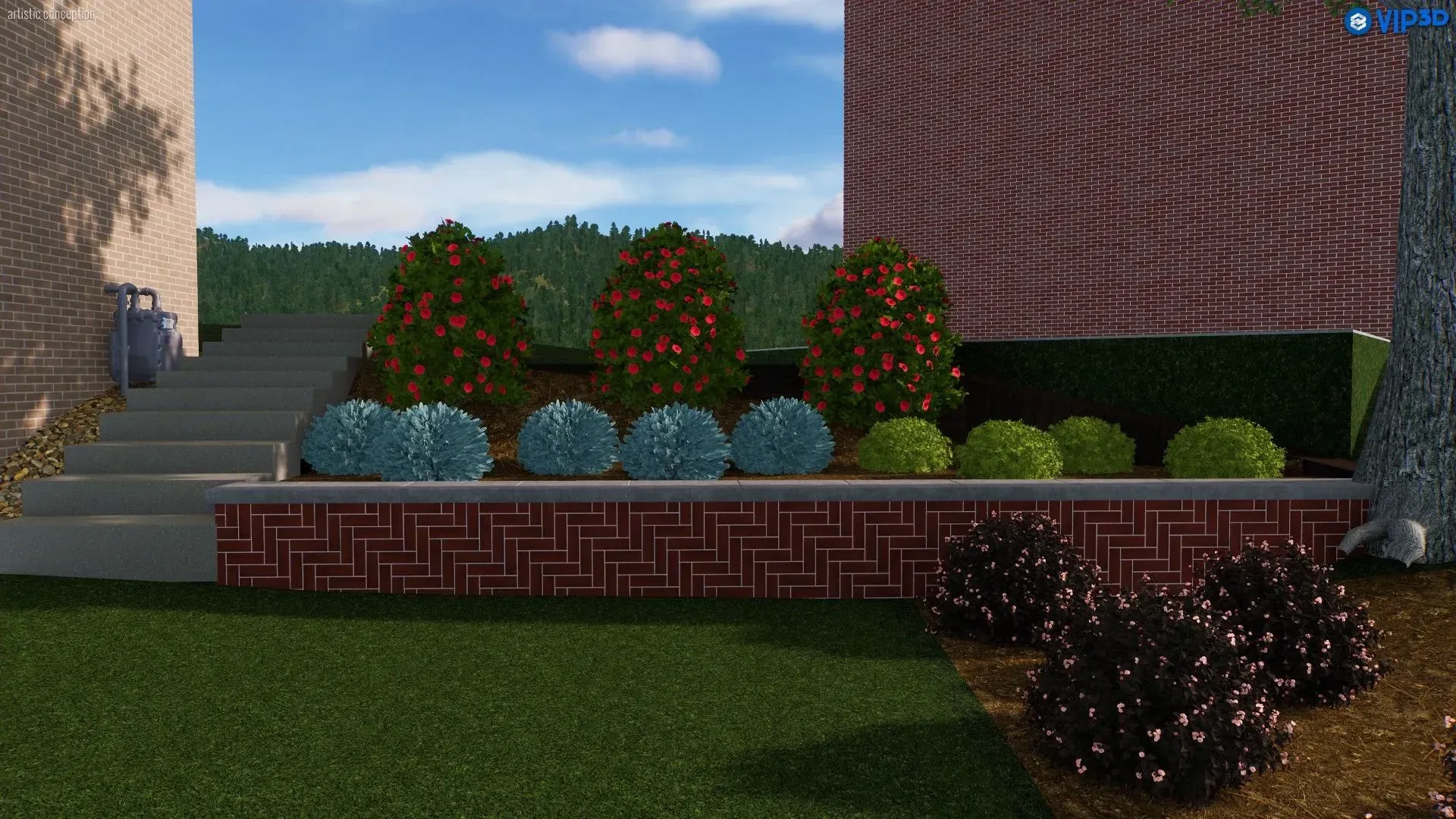
Breaking a slope into level terraces with retaining walls is one of the most effective fixes. It turns a steep, eroding incline into flat, usable, plantable areas that hold water and soil, and it can create striking, functional space out of ground that was just washing away.


Planted slopes and ground covers

Deep-rooted ground covers, ornamental grasses, and shrubs suited to slopes hold the soil with their roots far better than turf, stopping erosion while greening the slope. Their roots knit the soil together where grass roots never got the chance.


Hardscape and stone

Boulder arrangements, riprap, stone, or stepped hardscape can stabilize and beautify a slope that will not hold plants, while controlling where water goes.


Managing the water

Because runoff is central to slope failure, directing and slowing the water, with grading, swales, or drainage worked into the design, is often part of the solution, so whatever is planted or built can hold.


For a slope, the point is that you are solving an erosion-and-water problem first. Once the slope is stabilized and the water managed, plants can finally establish, or the slope becomes an attractive terraced or planted feature rather than a bare, muddy liability.

Warning: Be cautious about repeatedly stripping and reseeding a bare slope, or removing the struggling vegetation that is there, without a plan to stabilize it. Bare slope soil erodes fast, especially in Georgia clay during heavy rain, and an unstabilized slope can wash sediment across your yard, into drains, or toward your foundation, and in steeper cases become a bigger stability concern. Stabilize the slope as part of any plan rather than leaving it bare while you experiment with seed.

Stop Fighting the Spot, Start Designing It

The shift that solves these problem areas for good is a mental one: from trying to force grass where it cannot grow to designing the space for what the conditions allow. A deeply shaded corner wants to be a shade garden, a mulched bed, or a stone patio, not a struggling lawn. A steep, eroding slope wants to be a terrace, a planted bank, or a stabilized hardscape feature, not bare seeded dirt.


This is where looking at the whole yard pays off. The spots where grass fails are often the spots with the most potential to become something better, a quiet shaded retreat, a tiered garden, a usable patio, an interesting planted slope, because they push you past a flat lawn toward features with real character. Worked into a thoughtful design, the problem area stops being the eyesore you keep losing money and effort on and becomes one of the more memorable parts of the yard. The grass was never going to win there; the good news is that something better can.

Frequently Asked Questions

  • Why won't grass grow under my trees no matter what I do?

    Because most lawn grasses need several hours of direct sun a day, and dense shade under a tree does not provide it. The tree also competes with grass for water and nutrients and intercepts rainfall. Reseeding puts new grass into the same low-light, high-competition conditions, so it fails the same way. A shade-suited solution works where grass cannot.

  • Is there a grass that grows in deep shade?

    Some grasses tolerate light or partial shade better than others, but no lawn grass thrives in deep, near-total shade, it simply needs more light than that spot provides. Once shade is heavy enough, the lasting answer is a shade-tolerant ground cover, a planted bed, or hardscape rather than turf.

  • Why does grass seed keep washing off my slope?

    Gravity. On a slope, rain and irrigation run downhill before soaking in, carrying loose seed and topsoil with them, so the seed ends up at the bottom and the slope stays bare and dry. Georgia clay makes it worse by shedding water fast. The slope has to hold water and soil, through planting or terracing, before grass can establish.

  • What's the best way to stop a slope from eroding?

    It depends on the slope, but effective options include terracing it with retaining walls to create level areas, planting deep-rooted ground covers and shrubs that hold the soil, using stone or hardscape to stabilize it, and managing the water with grading or drainage. The goal is to stop runoff and hold the soil so it stops washing away.

  • Do I have to give up on having any green in those spots?

    Not at all. Shade-tolerant ground covers and shade gardens can make a shady spot lush and green, and planted slopes and ground covers green a bank while holding it. You are trading struggling grass for plants that actually thrive there, which usually looks better and needs less upkeep than the failing lawn did.

  • Could the problem spot actually become a nice feature?

    Often, yes. The areas where grass fails, deep shade and steep slopes, are frequently the best candidates for features with character: a shaded garden retreat, a stone patio, a tiered terrace, or a planted bank. Designing for the conditions turns the eyesore you keep fighting into one of the more attractive parts of the yard.

Working With Your Yard, Not Against It

A shady corner or a steep slope where grass refuses to grow is not a sign you have failed at lawn care, it is the yard telling you those spots were never suited to turf in the first place. Deep shade does not give grass the light it needs, and slopes wash away the water, seed, and soil before grass can root, and Georgia clay makes both harder. The solutions that actually work stop fighting those facts: shade-suited plantings, mulch, or hardscape where the sun does not reach, and terracing, planted banks, or stabilized hardscape where the ground keeps eroding. Design the space for what it is, and the spot that drained your time and money becomes a part of the yard you are glad to have.


Turn the spot where grass won't grow into one you love — Bare shade and eroding slopes aren't lawn-care failures; they're conditions grass can't win against, and reseeding them just repeats the loss. With 20 years of experience, Zamora Design and Build provides professional landscape design services for properties throughout Kennesaw, Georgia, and the greater Atlanta area, creating shade gardens, ground covers, mulched beds, hardscape, terracing, and planted slopes where shade and clay soils are common. Reach out for a design consultation and reclaim the part of your yard that never worked.

Modern outdoor lounge with white sectional seating, fire pit, pergola, and landscaped garden patio.
June 5, 2026
Outdoor living has evolved far beyond a simple patio or backyard deck. Today’s homeowners are transforming outdoor spaces into luxurious extensions of their homes, creating environments that blend comfort, entertainment, functionality, and natural beauty.
Modern backyard patio with pergola, seating, fire pit, and purple flowers by a wooden fence
May 4, 2026
Landscaping is more than planting flowers and maintaining a lush lawn; it’s about creating a harmonious outdoor space that balances aesthetics, functionality, and durability. Hardscapes—permanent or semi-permanent structural elements—play a crucial role in this balance,
An aerial view of a modern backyard with a fire pit, dining pergola, stone paths, wooden fencing, and landscaped garden.
April 9, 2026
Creating a beautiful, functional outdoor space requires more than just planting flowers or laying sod. Landscape design is a careful blend of art, science, and practical planning. It involves understanding the property’s unique characteristics, integrating natural and built elements,